8 HubSpot Alternatives Your Sales Team Should Know About
Rox Editorial Team

HubSpot has earned its reputation as one of the most popular CRM platforms for growing businesses. Its user-friendly interface, marketing automation tools, and all-in-one approach make it an attractive option for sales and marketing teams.
However, as businesses grow, many teams begin looking for alternatives.
Some organizations need deeper sales forecasting. Others want more flexibility, stronger AI capabilities, enterprise-grade customization, or advanced revenue operations support. For some teams, pricing becomes a concern as contacts, users, and feature requirements increase.
The good news is that there is no shortage of strong HubSpot alternatives.
Whether you’re running a startup sales team, scaling a SaaS company, or managing a complex enterprise revenue organization, there are platforms designed to fit different sales processes, operational requirements, and growth stages.
In this guide, we’ll explore the best HubSpot alternatives and help you determine which solution fits your team’s needs.
The best HubSpot alternative for an all-in-one sales and marketing CRM
Rox
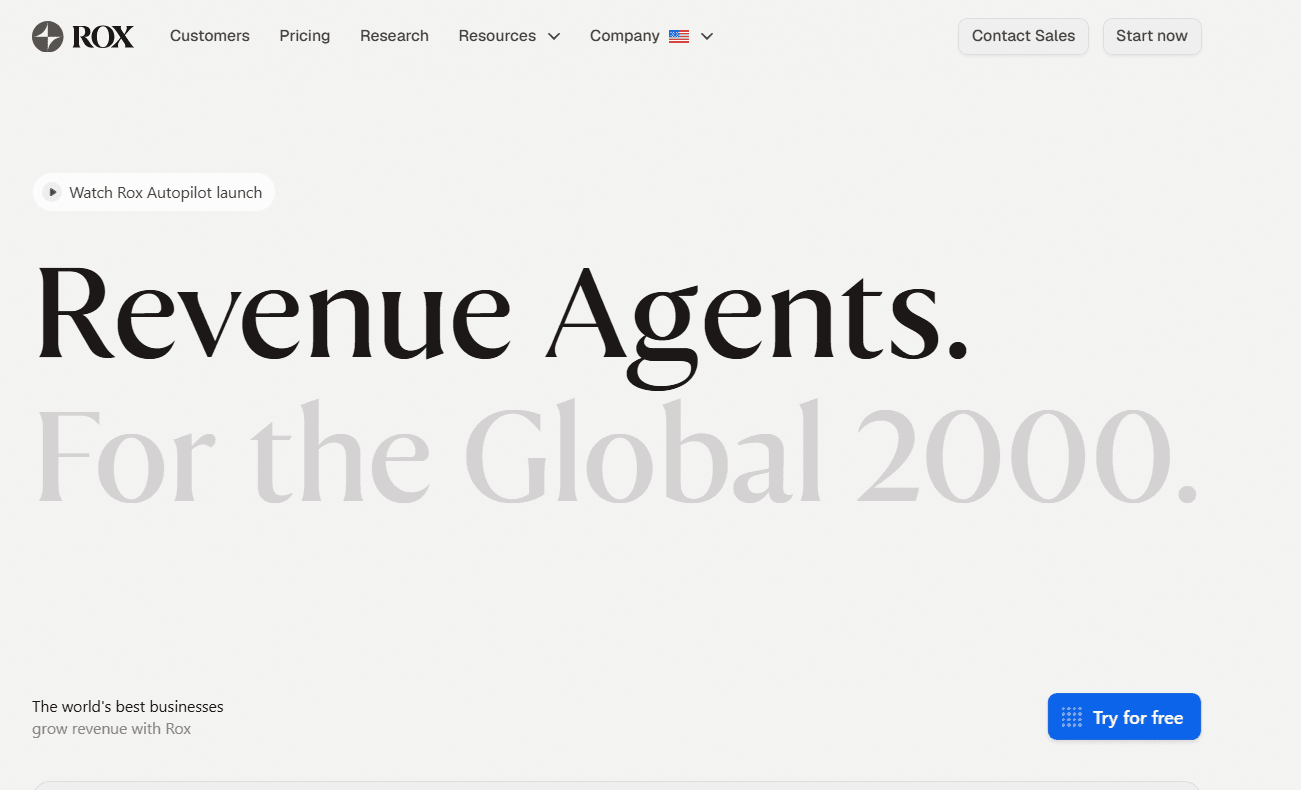
While many HubSpot alternatives focus primarily on CRM functionality, Rox takes a different approach by helping sales teams execute around customer signals and revenue workflows.
Rather than serving solely as a system of record, Rox acts as an AI-powered revenue operating system that helps teams capture account context, surface buying signals, and prioritize opportunities.
For organizations focused on enterprise sales, RevOps alignment, and AI-assisted execution, Rox offers capabilities that extend beyond traditional CRM management.
Best For
Enterprise sales teams
RevOps organizations
AI-first GTM teams
Revenue-focused operations
Strengths
AI-powered revenue workflows
Buying signal intelligence
Automated account context
Opportunity prioritization
Cross-functional GTM visibility
Potential Drawbacks
Best suited for mature sales organizations
More focused on revenue execution than lightweight CRM management
Why Teams Consider Rox
Many sales teams already have access to customer data. The challenge is turning that data into action.
Rox helps bridge that gap by identifying signals, automating workflows, and helping teams focus on opportunities that matter most.
Salesforce
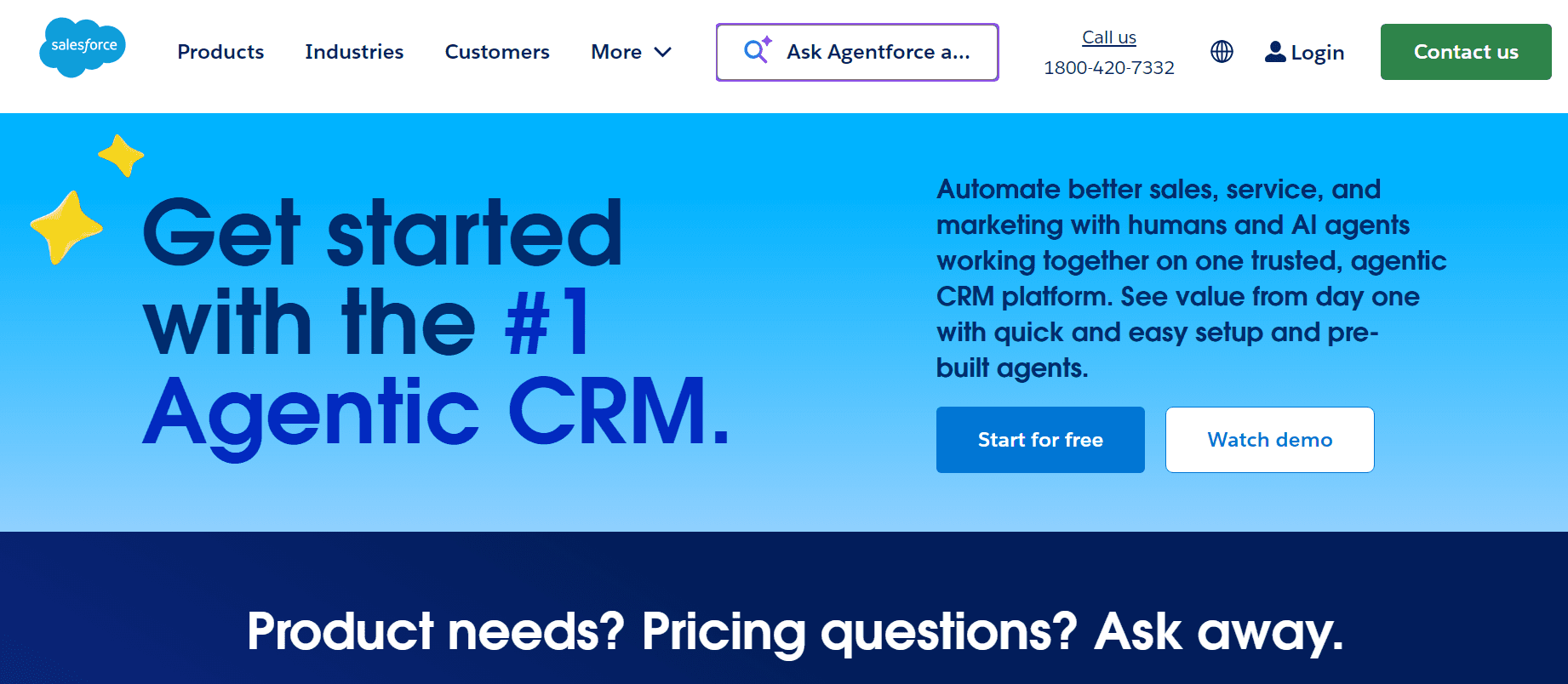
Salesforce remains one of the most powerful CRM platforms available.
For organizations that require deep customization, extensive integrations, and enterprise-scale workflows, Salesforce is often the first alternative considered.
Best For
Enterprise sales teams
Global organizations
Complex sales processes
Strengths
Extensive customization
Large integration ecosystem
Enterprise-grade reporting
Advanced workflow automation
Potential Drawbacks
Longer implementation cycles
Higher operational complexity
Steeper learning curve
Microsoft Dynamics 365
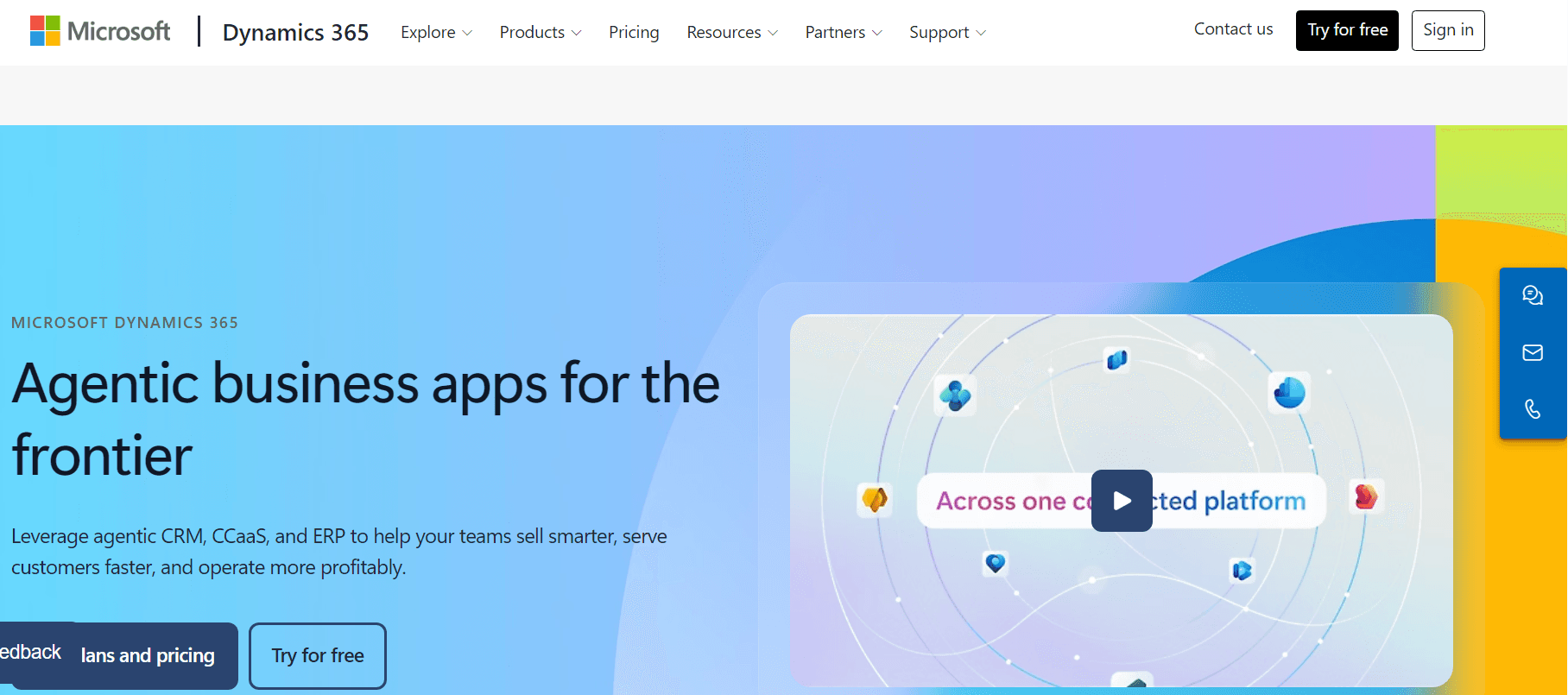
Microsoft Dynamics 365 combines CRM functionality with broader business operations tools.
Organizations already invested in the Microsoft ecosystem often find it a natural fit.
Best For
Enterprise organizations
Microsoft-centric businesses
Complex operational environments
Strengths
Strong Microsoft integrations
Enterprise scalability
Advanced analytics
AI-powered insights
Potential Drawbacks
Requires technical expertise
More complex than HubSpot
Pipedrive
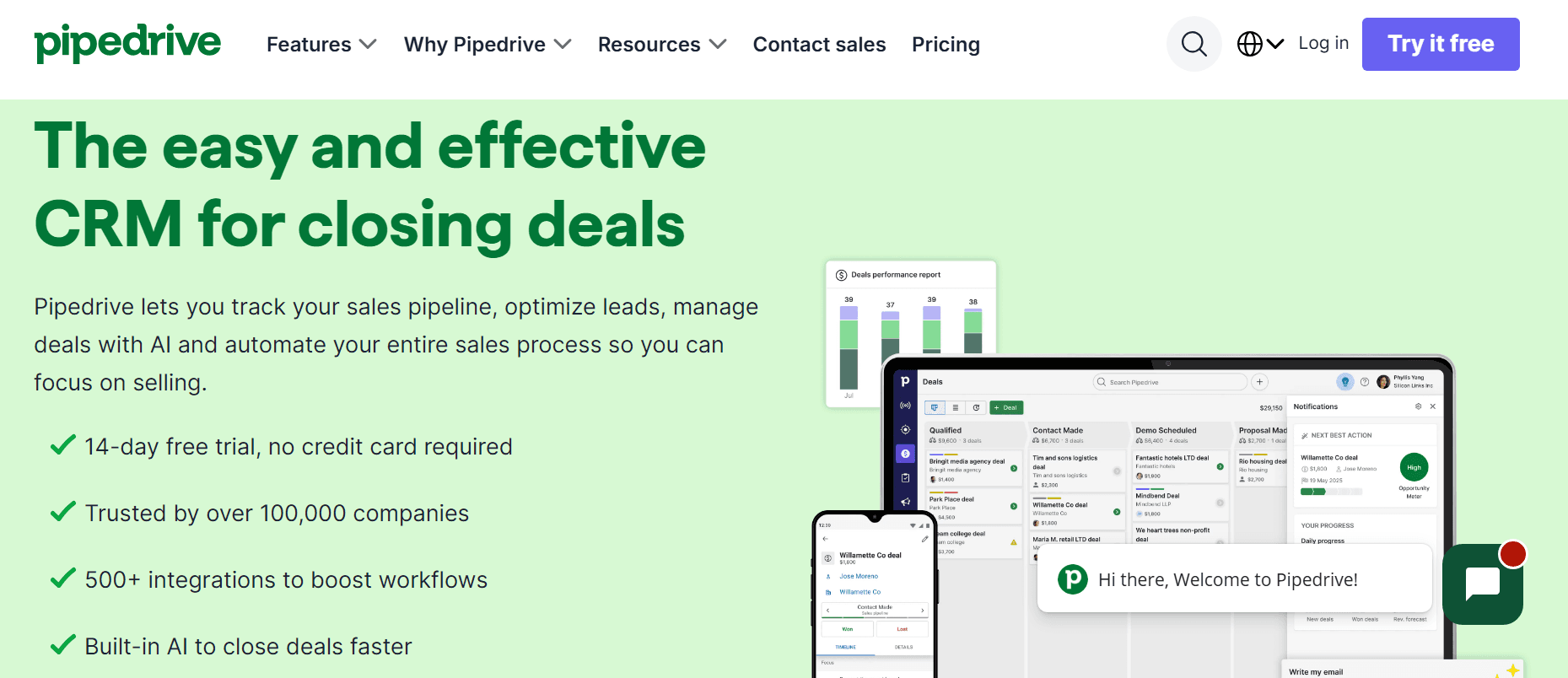
Pipedrive focuses on simplicity and pipeline management.
Unlike feature-heavy enterprise systems, Pipedrive prioritizes usability and sales productivity.
Best For
Small sales teams
Startups
Growing businesses
Strengths
Intuitive interface
Visual pipelines
Fast onboarding
Easy adoption
Potential Drawbacks
Limited enterprise functionality
Less advanced reporting
Zoho CRM
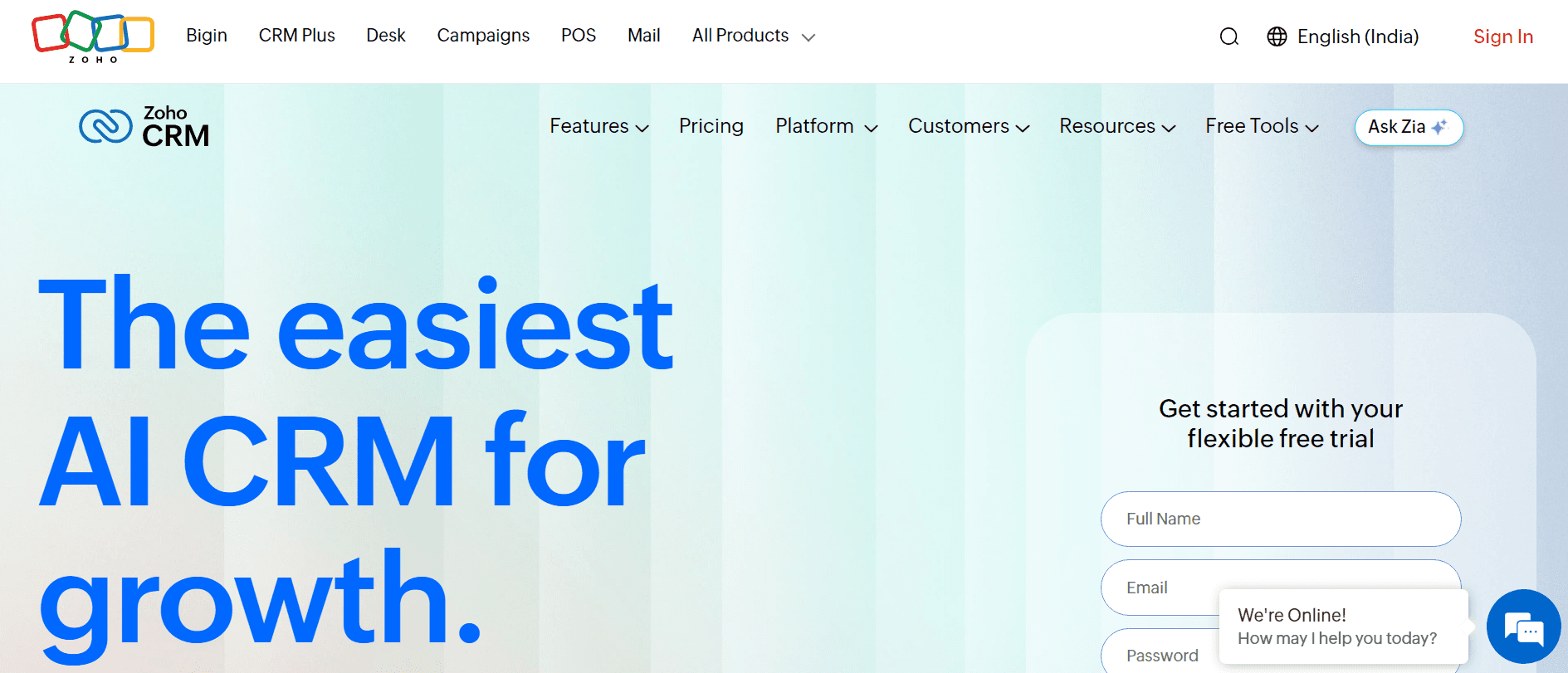
Zoho CRM provides extensive functionality at a competitive price point.
It is particularly popular among SMBs seeking flexibility without enterprise-level costs.
Best For
SMBs
Cost-conscious organizations
Growing sales teams
Strengths
Affordable pricing
Broad feature set
Automation capabilities
Flexible customization
Potential Drawbacks
Interface can feel less polished
Advanced workflows may require setup time
Freshsales
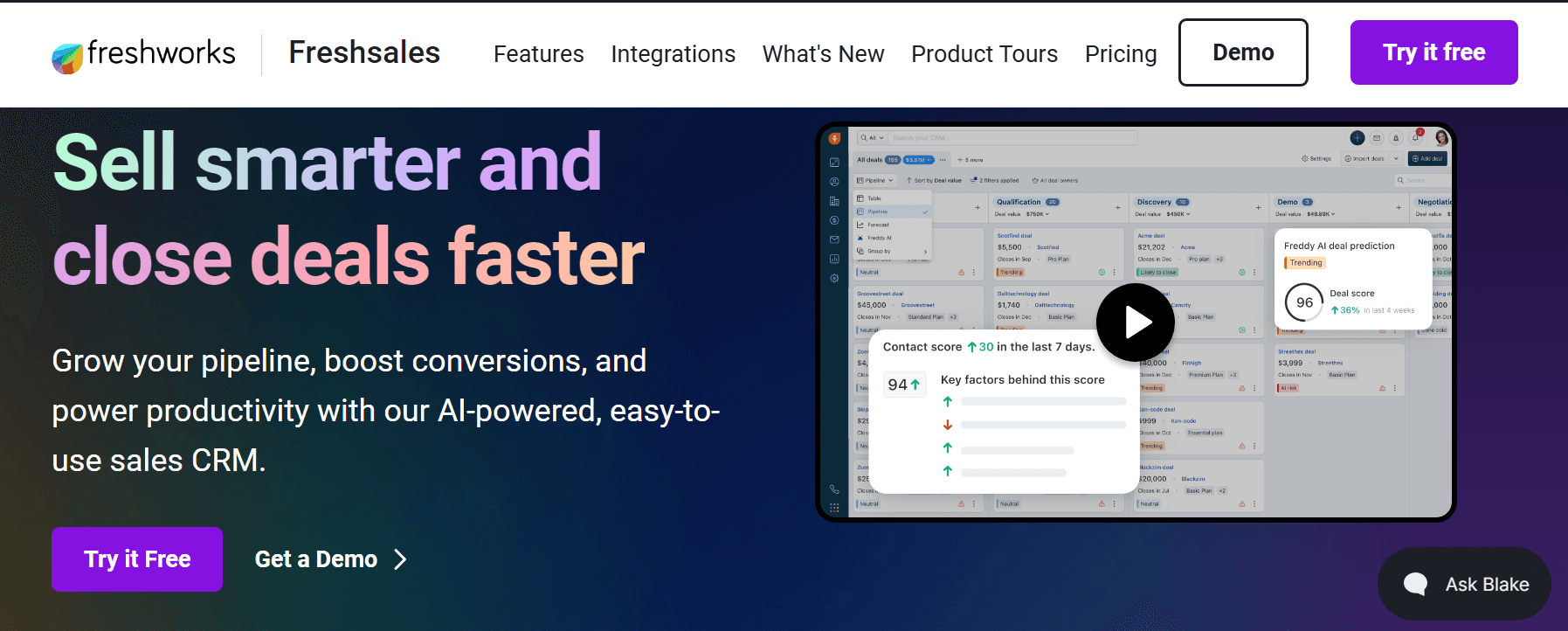
Freshsales combines CRM capabilities with AI-powered engagement tools.
Its focus on productivity and automation makes it appealing to modern sales teams.
Best For
Mid-market companies
Productivity-focused teams
Customer engagement workflows
Strengths
Built-in communication tools
AI lead scoring
Workflow automation
Easy implementation
Potential Drawbacks
Fewer enterprise features
Reporting varies by plan
Monday CRM
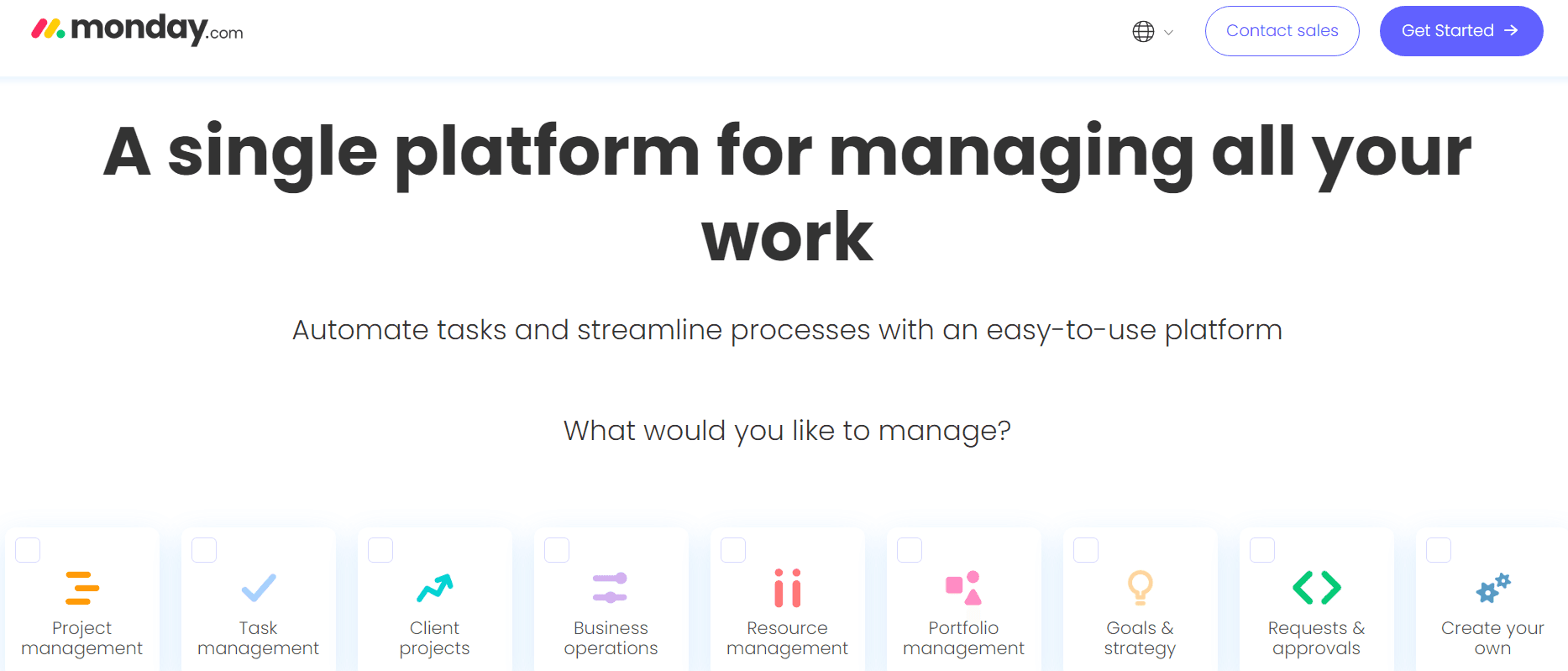
Monday CRM takes a workflow-first approach to customer relationship management.
The platform appeals to teams that need flexibility across multiple departments.
Best For
Collaborative teams
Cross-functional organizations
Workflow-heavy businesses
Strengths
Highly customizable
Visual workflows
Easy collaboration
Flexible processes
Potential Drawbacks
Less CRM depth than some competitors
Limited enterprise forecasting
Copper
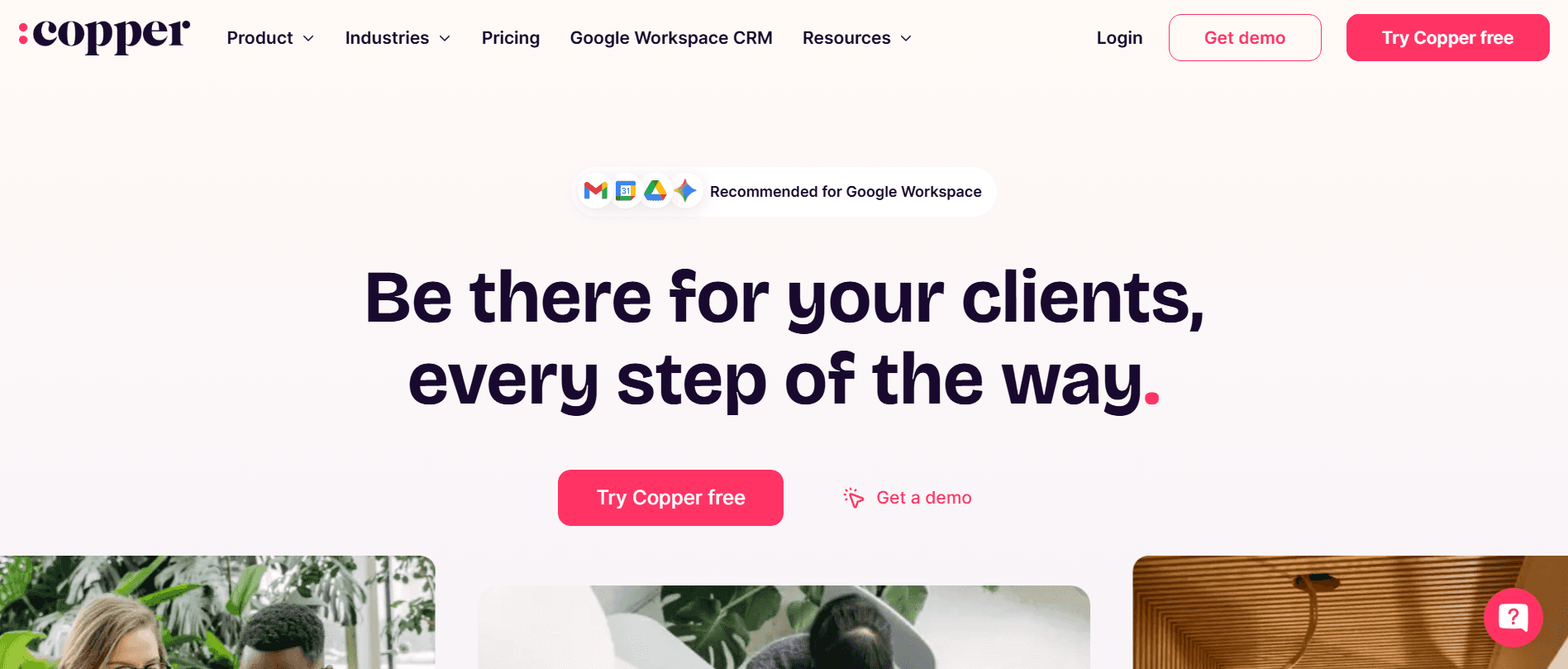
Copper is built specifically for businesses that operate heavily within Google Workspace.
Its native integration creates a seamless user experience for Google-centric teams.
Best For
Google Workspace users
Small and mid-sized businesses
Relationship-focused sales teams
Strengths
Deep Google integration
User-friendly interface
Minimal setup requirements
Potential Drawbacks
Limited enterprise functionality
Smaller ecosystem than Salesforce or HubSpot
Why businesses look for HubSpot alternatives?
HubSpot is often praised for its ease of use, but it isn’t the perfect fit for every organization.
Common reasons companies evaluate alternatives include:
Rising costs as teams scale
Advanced customization requirements
Enterprise sales complexity
Forecasting limitations
Revenue operations needs
AI workflow requirements
Multi-region sales processes
Specialized GTM workflows
As sales organizations mature, they often require tools that go beyond traditional CRM functionality and support more complex revenue operations.
What to look for in a HubSpot alternative?
Before switching platforms, evaluate solutions based on:
Ease of Adoption
A CRM only creates value when sales teams actually use it consistently.
Look for:
Intuitive user experience
Fast onboarding
Minimal admin overhead
Rep-friendly workflows
Automation Capabilities
Modern sales teams need automation for:
Lead routing
Task management
Follow-ups
Pipeline updates
Reporting
AI and Revenue Intelligence
The latest generation of sales platforms increasingly provides:
Deal risk analysis
Buying signal detection
Forecasting support
Automated insights
Opportunity prioritization
Reporting and Forecasting
Leadership teams need visibility into:
Pipeline health
Revenue projections
Sales performance
Conversion trends
Scalability
Your CRM should support future growth without requiring a complete operational overhaul.
Final Thoughts
HubSpot remains one of the strongest CRM platforms on the market, but it isn’t the only option.
The right alternative depends on how your sales team operates, the complexity of your revenue processes, and the level of automation and intelligence your organization requires.
Some businesses need a straightforward CRM that sales reps can adopt quickly. Others require enterprise customization, advanced forecasting, or AI-powered revenue workflows.
The key is choosing a platform that aligns with your team’s daily workflows rather than forcing your team to adapt to the software.
As CRM technology continues to evolve, the most successful sales organizations will be those that combine customer data, operational visibility, buying signals, and workflow automation into a unified revenue engine.
FAQ
Is HubSpot free?
Yes, HubSpot offers a free CRM with basic sales, marketing, and customer service tools. However, advanced features, automation, reporting, and scalability require paid plans that can become costly.
Is HubSpot a CRM?
Yes, HubSpot is a customer relationship management (CRM) platform. It helps businesses manage contacts, sales pipelines, marketing campaigns, customer support, and reporting from a centralized system.
What is the best HubSpot alternative?
The best HubSpot alternative depends on your needs. Popular options include Zoho CRM for affordability, Salesforce for customization, Pipedrive for sales teams, and Freshsales for ease of use.
What’s the easiest CRM to use?
HubSpot, Pipedrive, and Freshsales are often considered among the easiest CRMs to use. They offer intuitive interfaces, simple setup processes, and minimal learning curves for new users.
Is HubSpot still relevant?
Yes, HubSpot remains highly relevant for businesses of all sizes. Its integrated marketing, sales, and service tools, regular updates, and user-friendly design keep it competitive in the CRM market.
Why is HubSpot so expensive?
HubSpot’s pricing reflects its extensive feature set, including automation, analytics, integrations, customer support, and scalability. Costs typically increase as businesses need more advanced tools and larger contact limits.
Similar Articles
We build with the best to make sure we exceed the highest standards and deliver real value.