10 Best Sales Engagement Platforms for 2026 [Tested by Sales Teams]
Rox Editorial Team
![Rox blog article thumbnail image for 10 Best Sales Engagement Platforms for 2026 [Tested by Sales Teams]](https://framerusercontent.com/images/ms4CH57naXbkmKYWy6CsdmuDg.webp?width=1376&height=780)
Sales reps waste 60% of their time on admin work instead of selling. The market for sales engagement platforms has exploded as a result, projected to grow from $7.4 billion in 2022 to nearly $30 billion by 2032.In fact, 87% of sales development teams have adopted these tools, and with good reason too.
Teams using sales engagement software see a 27% higher reply rate and 46% higher email open rate. We’ve tested the top sales engagement platforms to help you choose the right sales engagement solutions for your team.
What Is a Sales Engagement Platform?
A sales engagement platform sits between your CRM and individual rep activity. It manages and automates sales interactions across email, phone, LinkedIn and other channels. CRMs store customer data, but sales engagement software pushes outreach workflows forward. The global market reached $7.50 billion in 2023 and is projected to hit $14.20 billion by 2028.
Key Features Driving High Conversion Rates
Multi-channel sequencing, email tracking and dialer integration come standard with most platforms. Conversion-focused tools go further with signal detection that identifies buying signals beyond email opens. These include product usage, website visits and job changes.
Speed matters: leads contacted within 5 minutes of showing intent convert 21x more than those contacted after 30 minutes. Multi-threading support identifies additional stakeholders showing interest. Deals with three or more engaged stakeholders close at 2.8x the rate of single-threaded deals at 34% higher contract values.
What are benefits of Using Sales Engagement tools?
Sales engagement platforms automate data entry and activity logging. Reps get 20% of their week back for relationship building. They enable personalization at scale through AI that analyzes customer interactions and suggests tailored messaging. The platforms track engagement metrics like email opens and reply rates. They compile data into reports that show what tactics work. This optimization layer turns activity data into revenue insights.
What are common mistakes when choosing a Sales Engagement Tool for Conversion?
Teams often optimize for prospecting ease rather than deal closing speed. They ignore the signal detection layer and focus only on sequencing features. There’s another reason: buying a sequencing tool while expecting revenue intelligence capabilities. Teams that evaluate platforms in isolation from existing tech stacks create integration gaps that kill conversion through manual data translation. Measuring rep adoption instead of actual outcomes like faster deal velocity misses the point.
What are the 10 Best Sales Engagement Tools in 2026?
Tool | Key Features / Standout Capabilities | Pricing | Best For | Limitations / Notes |
|---|---|---|---|---|
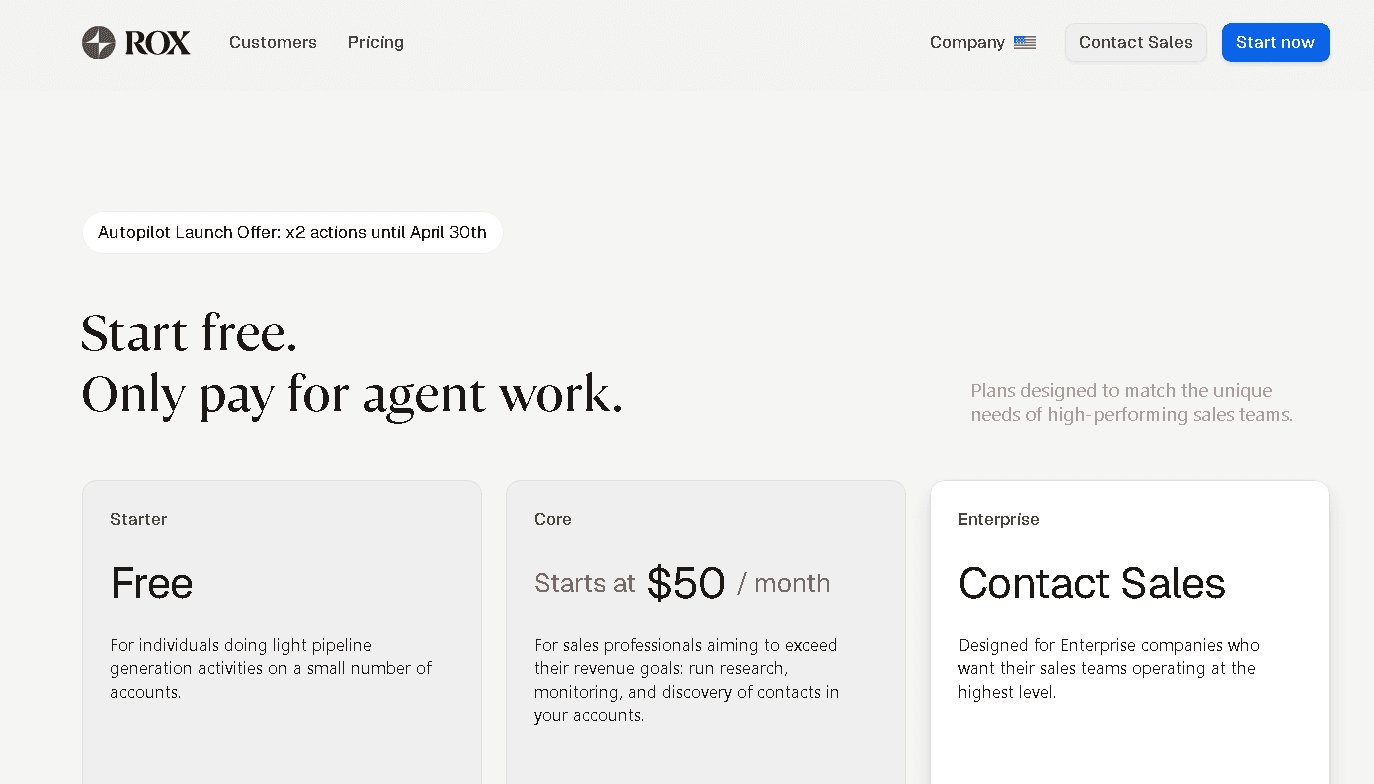
AI-powered agents per account, unified data layer, multi-agent workflows via conversational interface, integrates with Salesforce, HubSpot, Zendesk, Slack | Free Starter; Core $50/month (5,000 actions, 100 agents); Enterprise custom | Global 2000 companies, Salesforce users, RevOps teams, enterprises in finance/professional services/software | Requires data warehouse, Salesforce; lacks SMB focus; advanced customization limited | |
Apollo.io | Prospecting + outreach + analytics, 230M+ contacts, AI messaging, multi-channel sequences, signal intelligence from intent + contact data | Free (50 credits); Basic $49/month; Pro $79/month; Org $119/month (3-seat min) | Seed to Series B startups, mid-market GTM teams, companies replacing multiple tools | Consumption-based credits may complicate planning |
HubSpot Sales Hub | CRM + prospecting + revenue intelligence, Prospecting Agent for signals, Smarter Sales Meetings, email + multi-platform integrations | Free tier; Starter $9/month; Professional $90/month + $1.5k onboarding; Enterprise $150/month + $3.5k onboarding | Startups to enterprises; mid-sized teams scaling outbound; distributed sales orgs | Enterprise pricing and onboarding costs may be high |
Outreach | Multi-channel engagement, sentiment analysis, AI assistant Kaia, deal health scoring, voice suite, Salesforce integration | Estimated Engage module $100–$140/user/month; add-ons $20–$50/user/month; implementation $5k–$25k | Mid-market & enterprise B2B teams, complex Salesforce deployments, 25+ reps | High cost; pricing not fully public; complex setup |
Sybill | Context graph of deals, automation of follow-ups, CRM autofill, Magic Summaries, Ask Sybill insights | Free 500 credits/wk; Pro $30/user/month; Business $90/user/month; Starter $49–$99/month | Sales teams 2–50 reps, CRM data quality focus, high meeting volume teams | Confusing pricing structure; may require adoption effort |
Unify | Combines intent signals, AI research agents, Gmail-managed email sequences, signal-based triggers | Growth $1,740/year; Pro & Enterprise custom | High-growth companies using signal-based outbound, teams needing managed deliverability | High entry cost; enterprise focus |
Klenty | AI-powered follow-ups (Action AI), Agentic Cadences, AI List Builder, parallel dialer, multi-channel outreach | Starter $50/user/month; Growth $70; Plus $99 | SMB & mid-market teams, AI-first outreach without enterprise complexity | Limited enterprise-level analytics |
Mixmax | Inbox-native Gmail workflow, AI copilots, multi-channel sequences, automated CRM logging | AI copilots start at $29/user/month; add-ons $10–$11; dialer $10 + $0.02/min | Gmail-exclusive teams, small teams prioritizing email sequences | Limited multi-platform support outside Gmail |
Mailshake | Cold email automation, deliverability infrastructure, list cleaning, A/B testing, AI copy generator | Starter $29/month; Email Outreach $59; Sales Engagement $99 | Small sales teams prioritizing deliverability and cold email | Limited multi-channel orchestration |
Overloop | AI-personalized emails, lead sourcing, multi-channel campaigns, LinkedIn + email, Chrome extension | Starter $69/month; Growth $99; Enterprise custom | Solo SDRs, 1–3 rep teams, GDPR-compliant European B2B | Smaller teams; Enterprise pricing custom; scaling limits may apply |
Rox
For Global 2000 revenue organizations that need to grow faster with leaner teams, Rox is the warehouse-native revenue agent that unifies all internal and external signals into a single system of context. Unlike legacy SaaS tools or AI-enhanced CRMs constrained by incomplete CRM data, Rox gives every agent the full picture of every account so your team generates more pipeline, accelerates deal cycles, expands existing accounts, and compounds its advantage over every competitor still working from incomplete context.
Rather than functioning as a traditional sequencing or outbound automation platform, Rox operates through autonomous revenue agents that continuously monitor account activity, buying signals, customer interactions, product usage, support activity, and operational data across the revenue lifecycle.
The platform assembles these signals into a context graph a living understanding of every account, enabling timely follow-ups and automated sales emails that helps revenue teams execute with better timing, prioritization, and account intelligence, enabling modern sales workflow intelligence that reduces manual prep and context switching.
Rox integrates with platforms including Salesforce, HubSpot, Zendesk, Slack, and Google Calendar while operating independently from CRM data limitations. Its warehouse-native architecture allows organizations to orchestrate revenue workflows using a more complete account picture than CRM-dependent sales engagement tools can provide, supported by advanced sales process management tools.
What Makes Rox Stand Out?
The biggest differentiator for Rox is its approach to Revenue Orchestration rather than traditional sales engagement automation.
Most sales engagement platforms focus on helping reps execute sequences faster. Rox focuses on closing the context gap that causes enterprise revenue teams to miss opportunities because critical signals remain fragmented across systems.
At the center of the platform is the context graph, which continuously combines signals from CRM systems, call transcripts, inboxes, support platforms, product telemetry, billing systems, and external data sources into a unified system of context for every account.
Rox also includes a conversational orchestration interface called Command that coordinates multi-agent workflows through natural language requests. Teams can ask Rox to prepare for renewal meetings, surface expansion risks, identify buying signals, generate account research, or orchestrate multi-step revenue actions across teams and systems.
Instead of simply suggesting next steps, Rox enables autonomous revenue execution across prospecting, pipeline management, renewals, and expansion, reflecting the best practices in AI for sales.
Based on customer data, organizations using Rox report:
50%+ higher rep productivity
20% faster sales cycles
2X revenue per seller
Significant reductions in manual account research and prep work
Key Features
Warehouse-native Revenue Orchestration
Autonomous revenue agents for every account
Context graph powered by unified account intelligence
AI-driven pipeline and opportunity orchestration
Real-time buying signal detection
Multi-source revenue data orchestration
Conversational workflow coordination through Command
Revenue lifecycle automation across sales, expansion, and renewals
CRM-independent system of context
Unified Permission Model with enterprise governance controls
Integrations with Salesforce, HubSpot, Zendesk, Slack, and Google Calendar
Support for Snowflake, Databricks, BigQuery, and modern enterprise infrastructure
Pricing
Best For
Global 2000 revenue organizations
Enterprise sales and RevOps teams
Companies managing complex revenue lifecycles
Organizations adopting AI-native revenue operations
Enterprise GTM teams seeking autonomous revenue execution
Businesses needing unified account intelligence across systems
Revenue organizations moving beyond CRM-dependent sales engagement platforms
Limitations
Rox is purpose-built for enterprise revenue organizations, which means smaller teams looking for lightweight outbound sequencing tools may find the platform more advanced than necessary.
Because Rox focuses on full revenue orchestration rather than standalone sales engagement, organizations may require alignment across sales, RevOps, customer success, and data teams to unlock the platform’s full value.
Apollo.io
Apollo combines prospecting, outreach and analytics into one platform. Nearly 100K paying customers in 600K+ companies trust it. The sales intelligence and engagement platform replaces separate data vendors, sequencing tools, dialers and enrichment services. Teams report 64% lower tech stack costs.
What Makes Apollo Stand Out
Apollo provides access to 230M+ verified contacts with 97% email accuracy. The research lag that slows outbound motion gets eliminated. The platform’s 2026 acquisition of Pocus added signal intelligence capabilities and combined contact data with intent detection in one workspace. Most competitors require separate tools for these functions.
The AI-powered messaging features drive 46% more meetings. Teams using the platform report 35% increases in bookings. Built-In saw 10% improvements in both win rates and average contract value. Multi-channel sequences combine email, LinkedIn and phone touchpoints with automated follow-ups. You retain engagement without manual intervention.
Apollo integrates with Salesforce, HubSpot, Pipedrive and Zoho CRM. Contact data and activity history sync in real time. The platform earned a 4.7/5 rating from 9,015 reviews and won the 2026 MarTech Breakthrough Award for Best AI-Powered Sales Solution.
Pricing
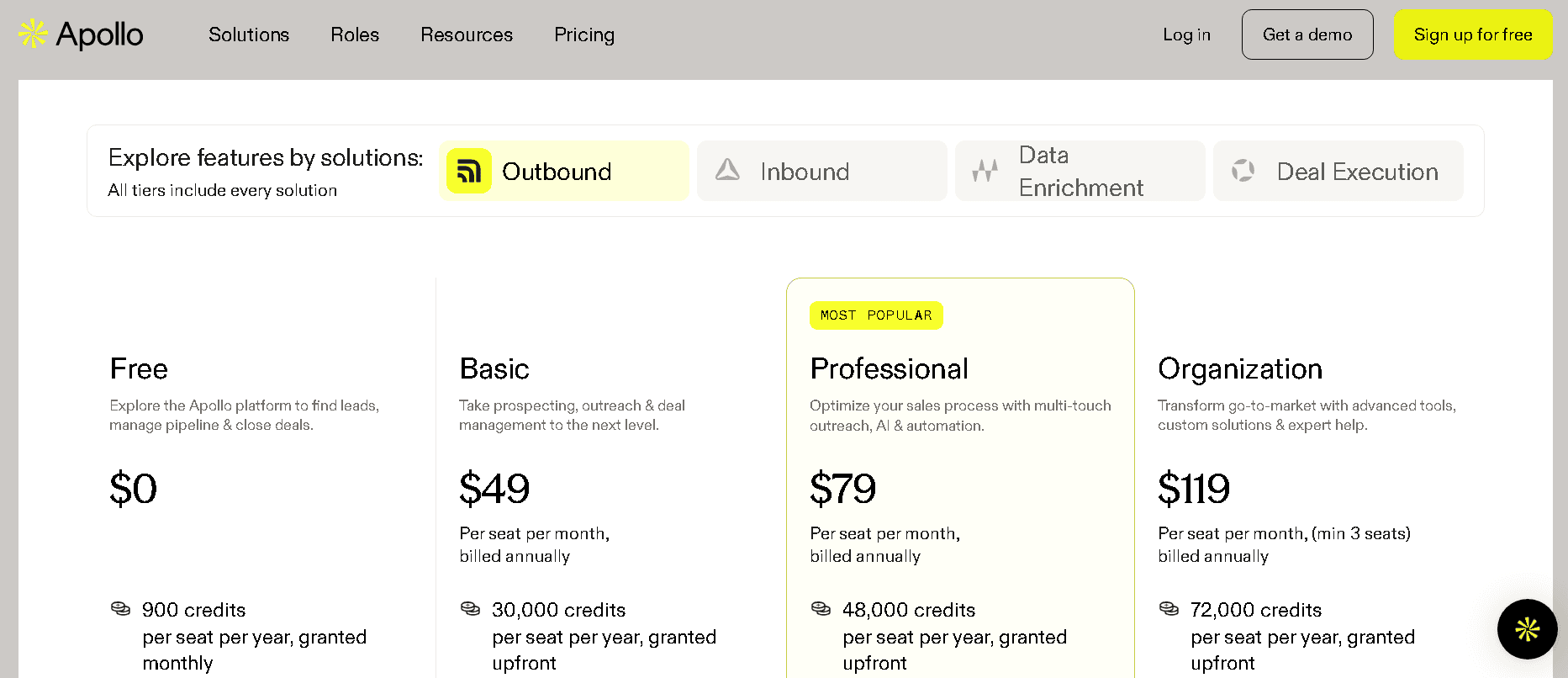
The Free plan has 50 credits monthly with simple search filters. Basic starts at $49 per seat monthly (annual billing) with 2,400 yearly credits. Professional costs $79 monthly with 4,800 credits. API access and A/B testing get unlocked. Organization runs $119 monthly with a three-seat minimum and adds SSO with dedicated support.
Credits operate on consumption-based pricing. Exporting an email costs 1 credit. Mobile numbers require 5 credits. Professional tier users get 400 monthly credits. This covers roughly 66 fully enriched contacts.
Best For
Apollo fits seed to Series B startups building outbound motions with defined ICPs. Mid-market GTM teams needing data, signal intelligence and execution in one platform benefit most. Teams combining three or more separate tools see immediate ROI.
HubSpot Sales Hub
HubSpot positions itself as an all-in-one sales engagement platform that merges CRM, prospecting, and revenue intelligence in a unified workspace. Customers acquire 129% more leads, close 36% more deals, and see a 37% improvement in ticket closure rates within just one year.
What Makes HubSpot Sales Hub Stand Out
The Prospecting Agent monitors buying signals from marketing, sales, and service data. It surfaces high-intent leads at the exact moment they show interest. This AI assistant provides continuous support throughout the whole sales cycle and enables customized outreach at scale through advanced prompting that creates distinct selling profiles for different customer segments.
The Smarter Sales Meetings feature automates note-taking and transcription from Zoom, Google Meet, and Microsoft Teams. It then analyzes conversation transcripts to flag potential risks and objections directly in deal records.
Email integration delivers particular value. You can BCC emails for automatic CRM logging, read form submissions while mobile, and maintain complete visibility within your sales team when you connect your inbox. Integration with Xero, Magento, and other platforms creates a centralized hub for sales and marketing data.
Pricing
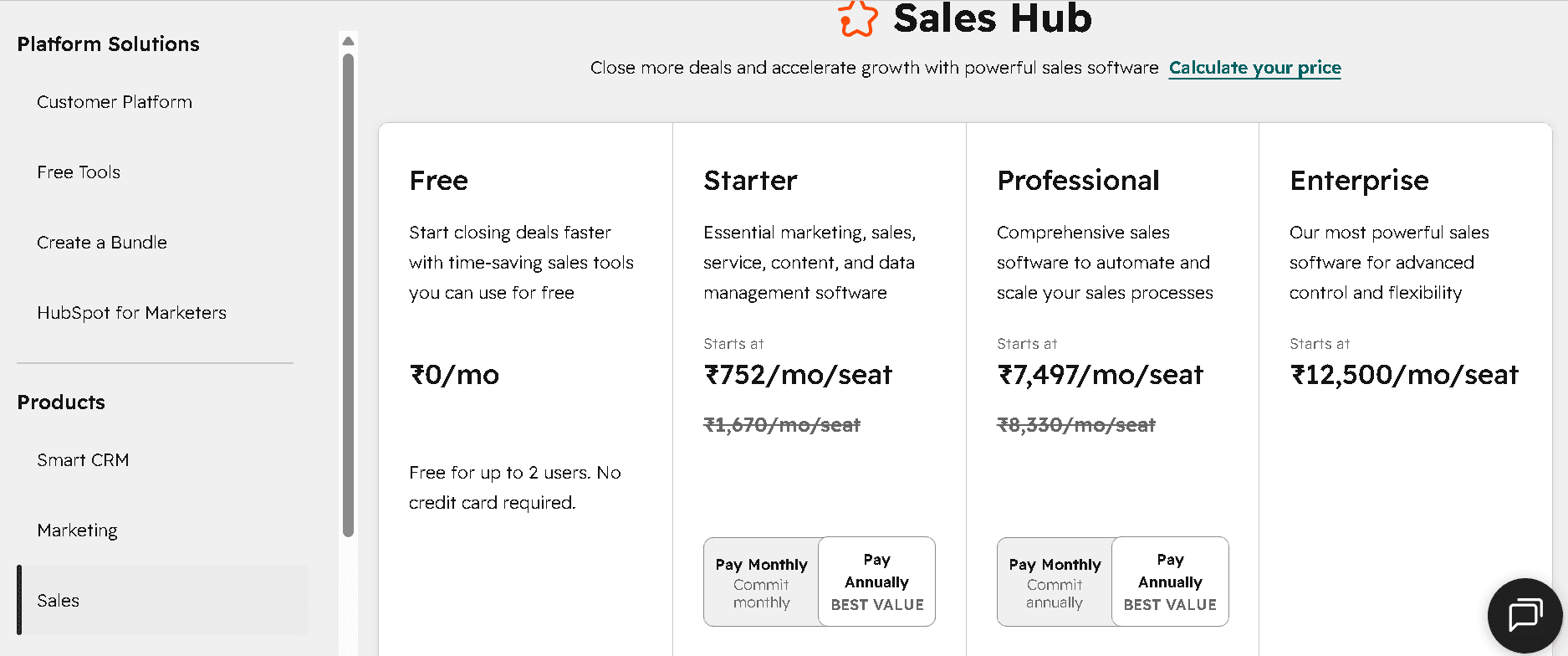
The Free tier has simple contact management, pipeline tracking, and outreach tools for up to two users. Starter costs $9 per seat monthly with annual billing and adds conversation routing and payment processing. Professional runs $90 per seat monthly with a $1,500 onboarding fee. It unlocks 300 customizable workflows and AI-powered forecasting. Enterprise reaches $150 per seat monthly with a $3,500 onboarding fee and provides 1,000 workflows and advanced governance. Annual billing saves 40% on Starter and 10% on Professional.
Best For
The platform serves everyone from early-stage startups using the free tier to large enterprises needing complex automation. Mid-sized teams scaling outbound efforts benefit most from Professional. Distributed sales organizations requiring deep reporting fit Enterprise.
Outreach
Founded in 2014, Outreach evolved from a sequencing tool into an AI-powered revenue workflow platform serving 6,000+ businesses globally, including Zoom, Siemens, Okta, DocuSign, and Snowflake. The platform unites sales engagement, conversation intelligence, deal management, and forecasting into one enterprise workspace.
What Makes Outreach Stand Out
Outreach delivers multi-channel engagement through email, phone, and social platforms from a unified interface. Smart Email Assist detects when prospects are out of office. The system pauses sequences automatically until they return and prevents wasted touchpoints. Sentiment analysis categorizes email replies into five types Positive, Objection, Referral, Unsubscribe, and Other. Reps can prioritize responses based on these categories.
The AI assistant Kaia provides live support during sales calls and transcribes meetings. It identifies action items and suggests responses to complex buyer questions. Deal health scores flag at-risk opportunities. AI-driven forecasting uses predictive modeling to improve revenue accuracy. Machine-learning-powered A/B testing identifies which messages and engagement steps work best, then scales those practices across teams.
Voice Suite eliminates the need to use separate calling tools like Dialpad or RingCentral. The suite offers local presence numbers, voicemail, and native call recording. Integration with Salesforce runs deep, especially when you have complex CRM needs. Outreach functions as an extension layer rather than a separate tool and syncs engagement data from all channels into CRM records.
Pricing
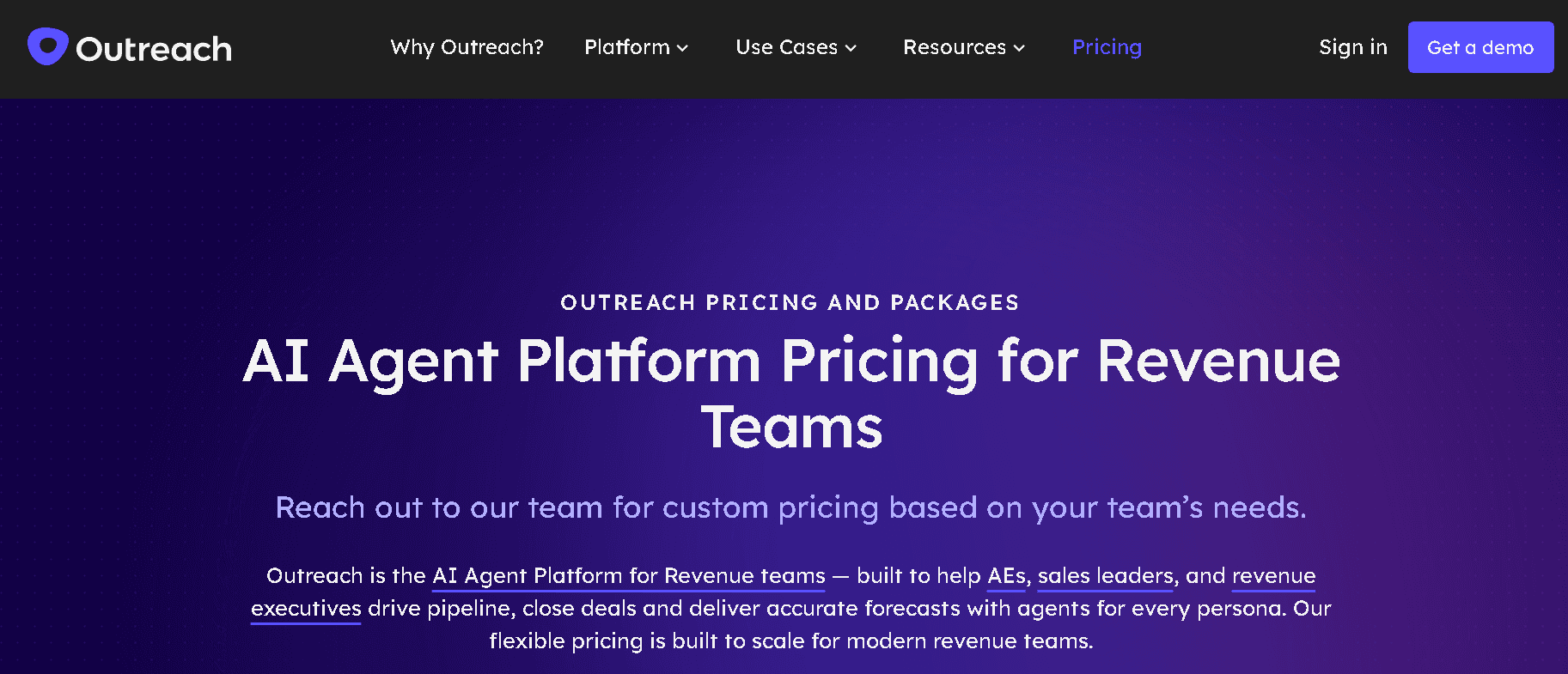
Outreach uses per-user annual licensing with no public pricing. Market estimates place the base Engage module at $100-$140 per user monthly on annual contracts. Add-ons for Meet/Kaia, Deal, and Forecast cost $20-$50 per user monthly each. Implementation fees range from $5,000 to $25,000. A 50-user deployment runs around $72,000 annually before add-ons, though negotiation discounts of 15-35% are common.
Best For
Outreach fits mid-market and enterprise B2B teams running complex, multi-channel sequences with 25+ reps. Organizations with Salesforce deployments benefit most from the deep integration.
Sybill
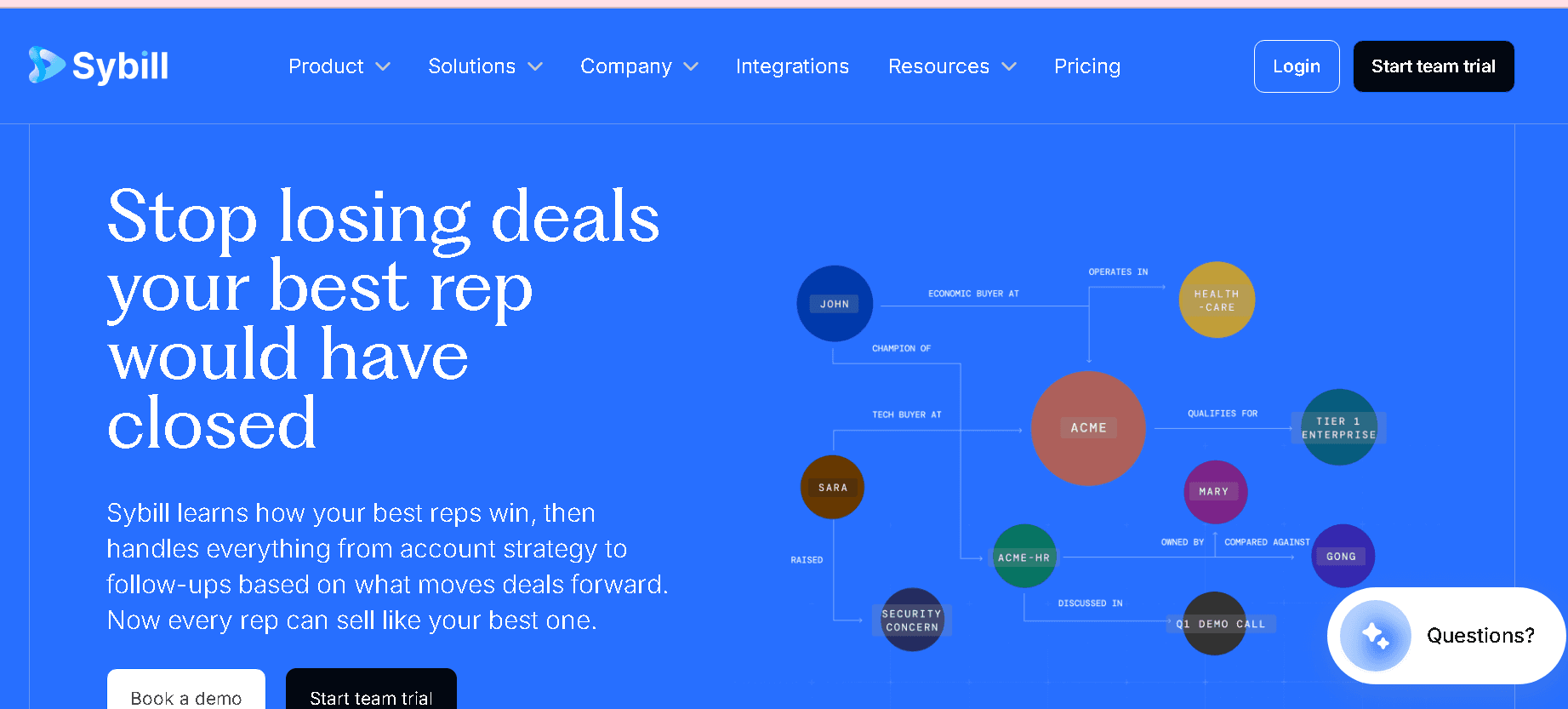
Sybill learns how your best reps win and automates everything from account strategy to follow-ups based on what moves deals forward. Over 850 revenue teams run on the platform, which builds a living memory of deal patterns so that your top performer’s playbook stays behind when they leave.
What Makes Sybill Stand Out
The platform constructs a context graph that maps how people and products connect in a variety of channels and conversations. This shared memory powers execution across every follow-up and CRM update. Teams using Sybill manage 2-5x more pipeline per rep and see 10% increases in average win rates. They save 10+ hours per week on admin and cut rep ramp time by 50%.
Ask Sybill delivers deal insights by querying patterns across deals of all types rather than single calls. One rep won a deal by asking Sybill to surface quotes from 100+ calls about competitor weaknesses. Magic Summaries generate meeting takeaways in under 30 minutes compared to the previous 1.5 hours. CRM Autofill populates 100% of fields including custom properties without manual entry.
Pricing
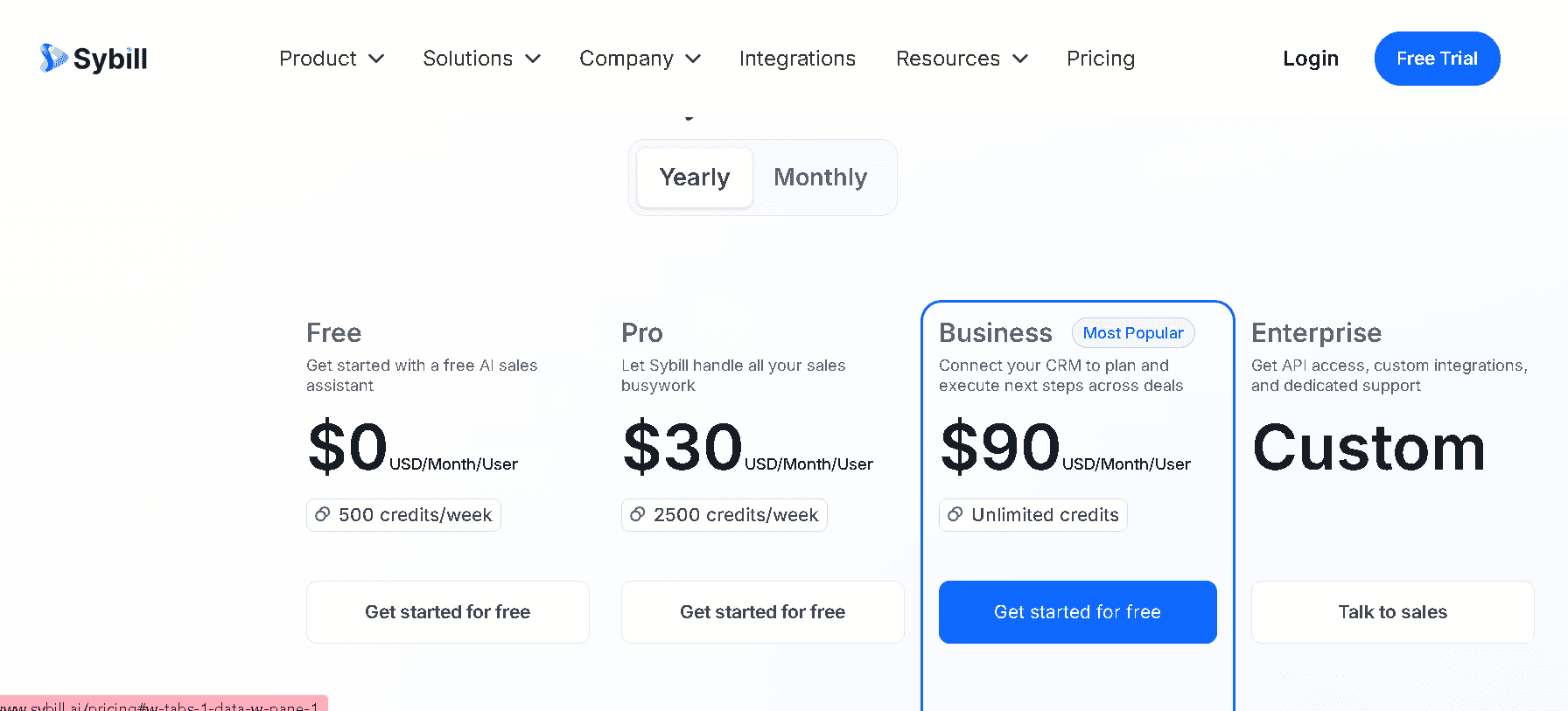
Sybill’s pricing page shows two structures. The credits-based model offers Free (500 credits weekly), Pro at $30 per user monthly (2,500 credits weekly), and Business at $90 monthly (unlimited credits with CRM Autofill). Document 291 lists different tiers: Starter at $49 monthly (50 calls, 6 months retention), Professional at $99 monthly (unlimited calls, 24 months retention), and custom Enterprise pricing.
Best For
Sales teams with 2-50 reps spending time on post-meeting admin benefit most. Organizations prioritizing CRM data quality through automation fit the platform’s focus on execution over analytics. Reps managing high meeting volumes also benefit.
Unify
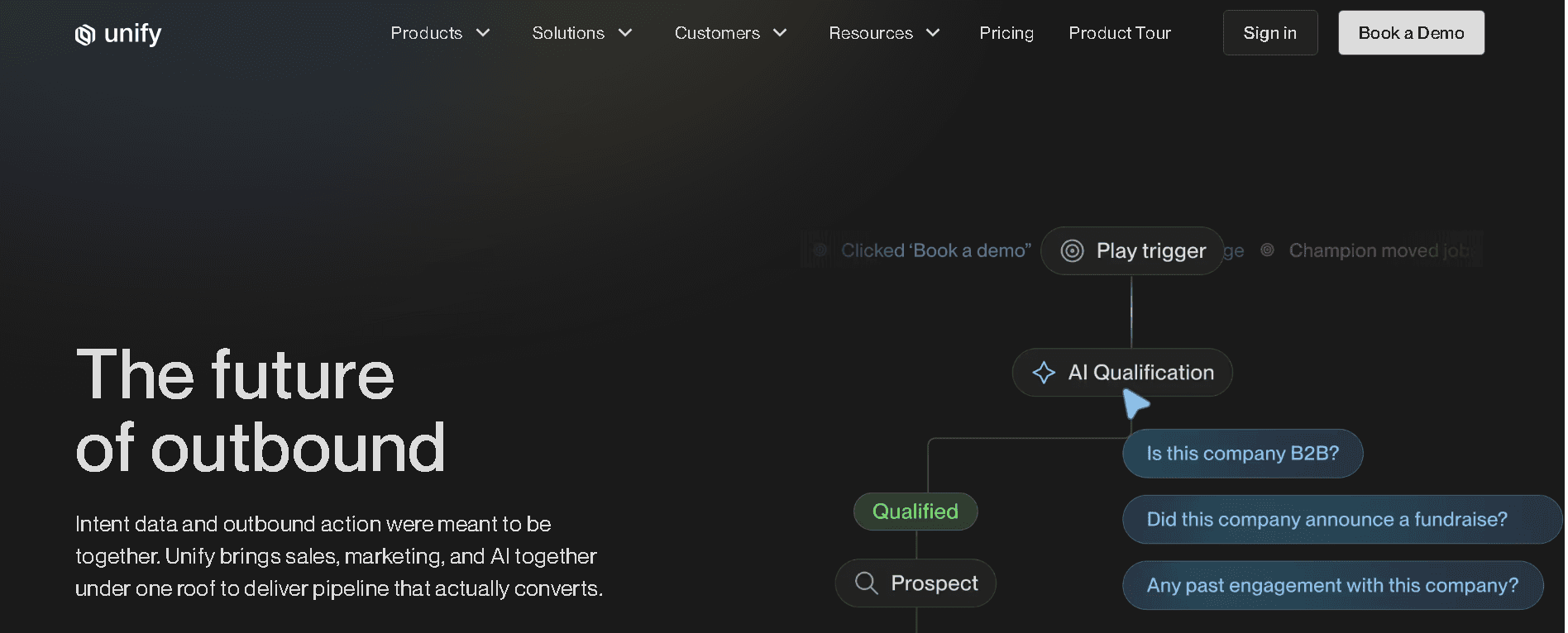
Unify combines three workflows that teams buy separately: intent data from 25 signal types, AI research agents that generate individual-specific outreach, and email sequencing through managed Gmail infrastructure. Battery Ventures led the platform’s $40M Series B in July 2025. High-growth companies like Justworks, Together AI, Perplexity, and Cursor power their go-to-market with Unify.
What Makes Unify Stand Out
The platform combines signals including website visitor identification, G2 review activity, funding announcements, new hires, and job postings. AI agents enrich accounts and generate individual-specific copy at the time signals trigger.
Plays execute multi-step workflows via managed Gmail mailboxes with warmup, bounce checks, and domain rotation. Spellbook generated $2.59M in pipeline and $250K in revenue within seven months using the platform.
Pricing
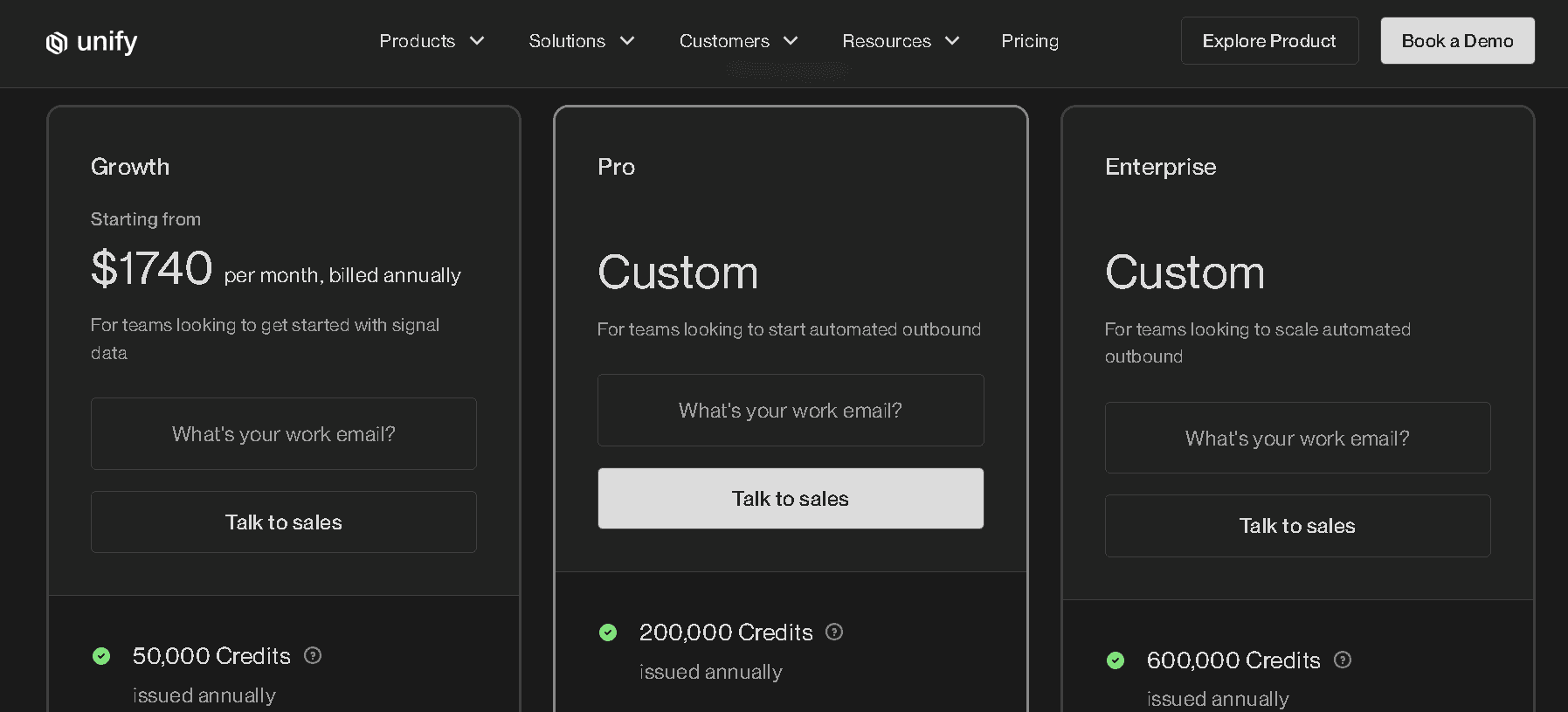
Growth starts at $1,740 per month billed annually and includes 50,000 credits per year, one platform user, and eight managed Gmail mailboxes. Pro provides 200,000 annual credits, two users, and 20 mailboxes at custom pricing. Enterprise delivers 600,000 credits, five users, and 40 mailboxes with SSO and dedicated Growth Consultant support. Additional users cost $100 per month, while extra mailboxes run $25 per month.
Best For
Teams running signal-based outbound with intent, champion tracking, and job change triggers benefit most. Organizations wanting managed deliverability infrastructure without stitching multiple tools together fit what the platform focuses on.
Klenty
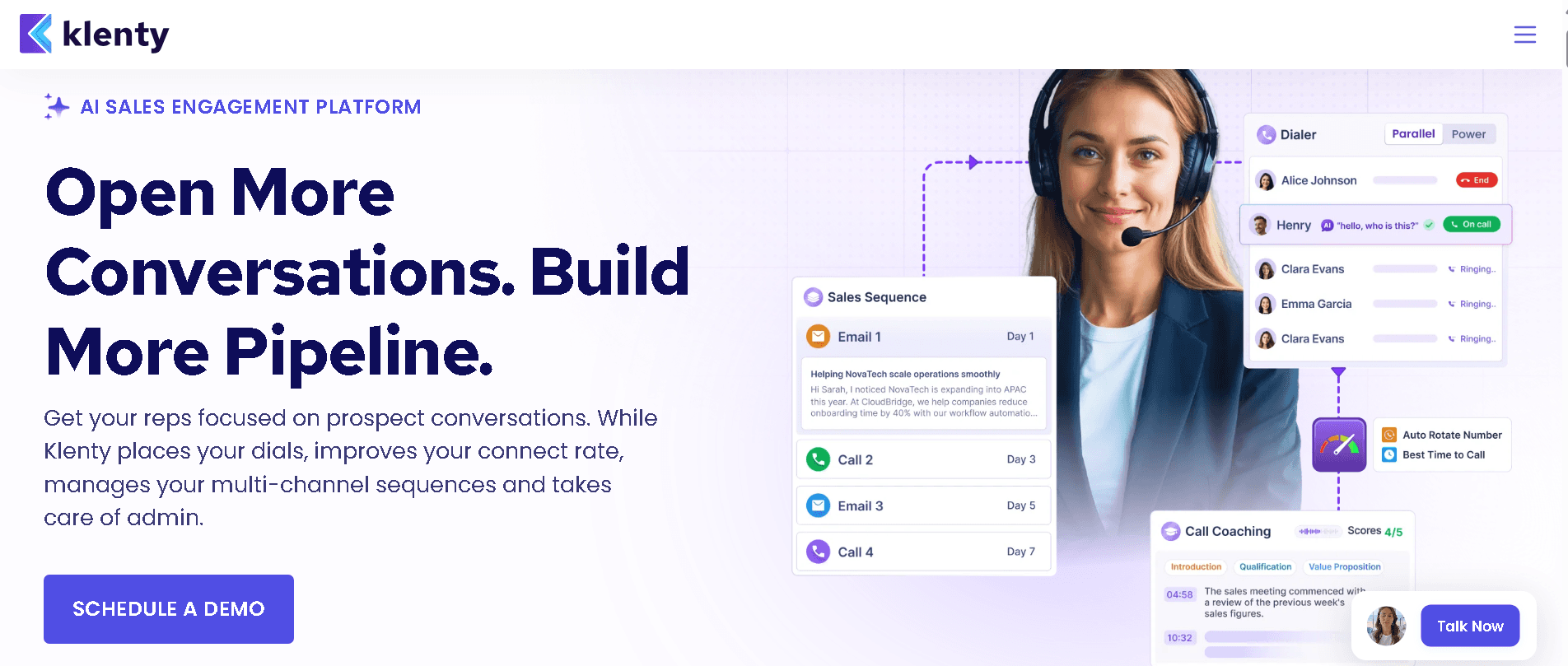
Klenty launched in 2016 as an AI-powered sales engagement platform built for B2B teams executing individual-specific outreach through email, phone, and LinkedIn from one workspace. The platform serves over 5,000 customers in more than 45 countries.
What Makes Klenty Stand Out
Action AI represents Klenty’s most distinctive capability. The AI listens to what was discussed after sales conversations and then generates follow-up tasks, schedules next contact windows, creates personalized messaging, and identifies new stakeholders mentioned during calls.
Agentic Cadences design account-specific engagement strategies that merge research insights into templates and adapt based on prospect behavior. The AI List Builder pulls from a 700M+ contact database using simple prompts. It scores accounts by ICP alignment and auto-enriches with verified emails and phone numbers. The parallel dialer calls five prospects at once and reduces downtime to enable 5x more calls.
Email deliverability infrastructure has SPF, DKIM, DMARC configuration, automatic warmup, and inbox rotation. First Due increased converted meetings from 60 in January to 200 in September.
Pricing
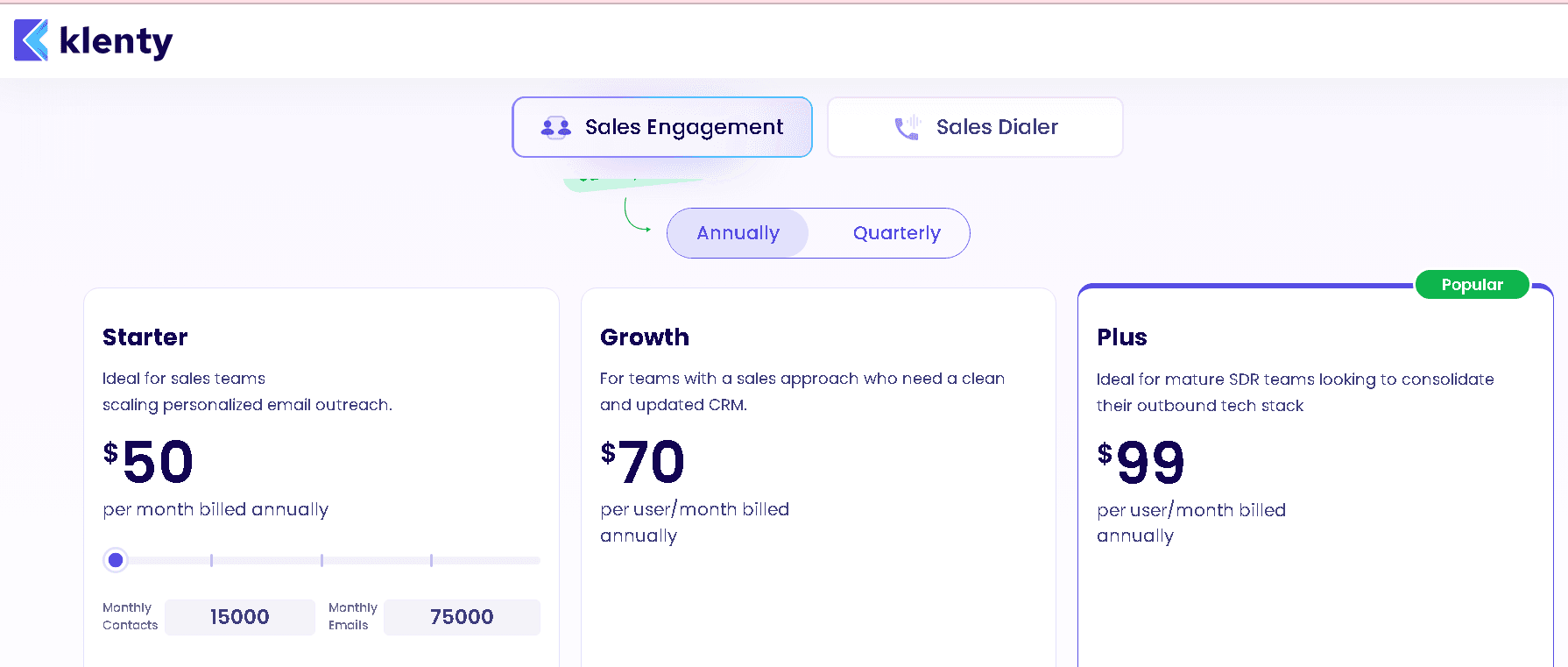
Starter costs $50 per user monthly billed annually for email-focused outreach. Growth runs $70 monthly with multi-channel capabilities and CRM integrations. Plus reaches $99 monthly and adds AI credits and calling minutes.
Best For
SMB and mid-market revenue teams benefit from flexible pricing and AI-first features. Organizations wanting sophisticated automation without enterprise complexity fit the platform’s focus.
Mixmax
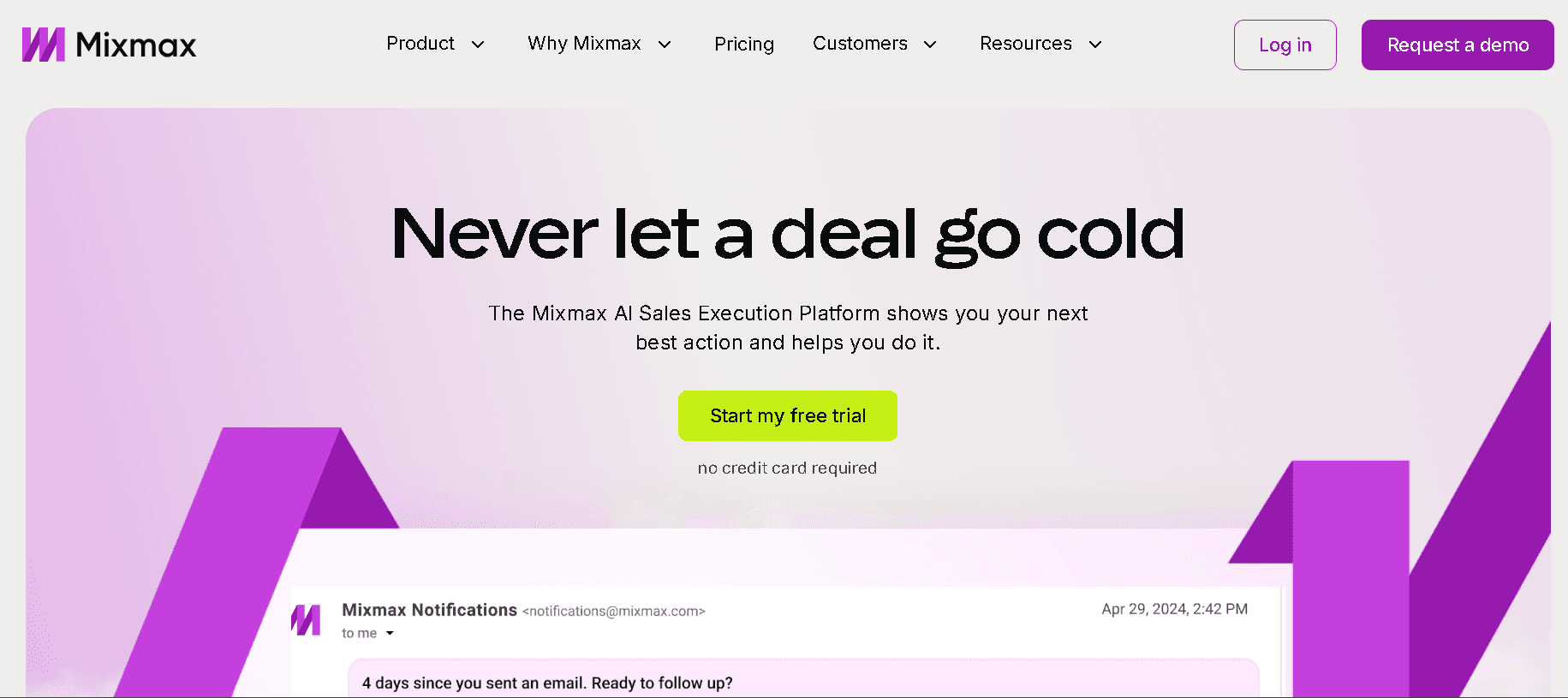
Mixmax operates inside Gmail as the platform itself rather than a separate interface that requires tab switching. Reps write emails, trigger sequences and monitor engagement from their inbox.
What Makes Mixmax Stand Out
The inbox-native architecture achieves 90% adoption in week one because there’s no new interface to learn. Teams see 52% reply rates compared to the 2-3% industry average for cold outreach. Reps recover 2+ hours daily from automated CRM logging. The platform earned an 85% open rate and 40% reply rate at Brex, with Gong reporting 86% opens and 52% replies.
AI copilots handle email composition and engagement workflows. Multi-channel sequences combine email and phone touchpoints. One-click scheduling eliminates meeting coordination. Salesforce integration logs activities and updates records.
Pricing
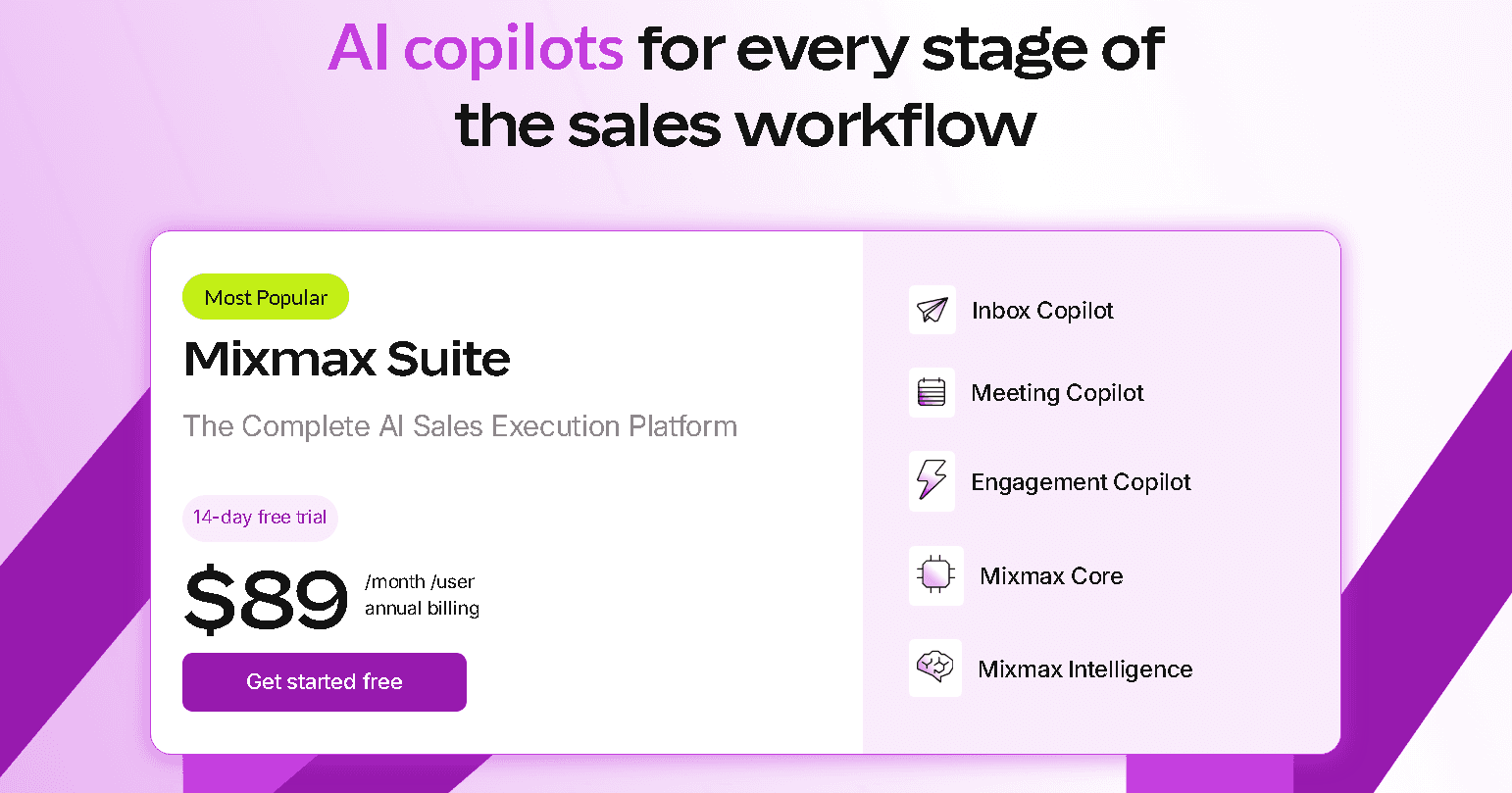
Mixmax restructured pricing around modular AI copilots starting at $29 per user monthly. Add-ons include custom branding at $11 monthly, dialer functionality with unpublished pricing and SMS capabilities. The base dialer costs $10 monthly for US and Canada calling, with per-minute charges at $0.02 outbound.
Best For
Gmail-exclusive teams that prioritize email sequences over multi-platform outreach benefit most. Small teams of 1-3 reps wanting flexible copilot selection fit the modular model.
Mailshake
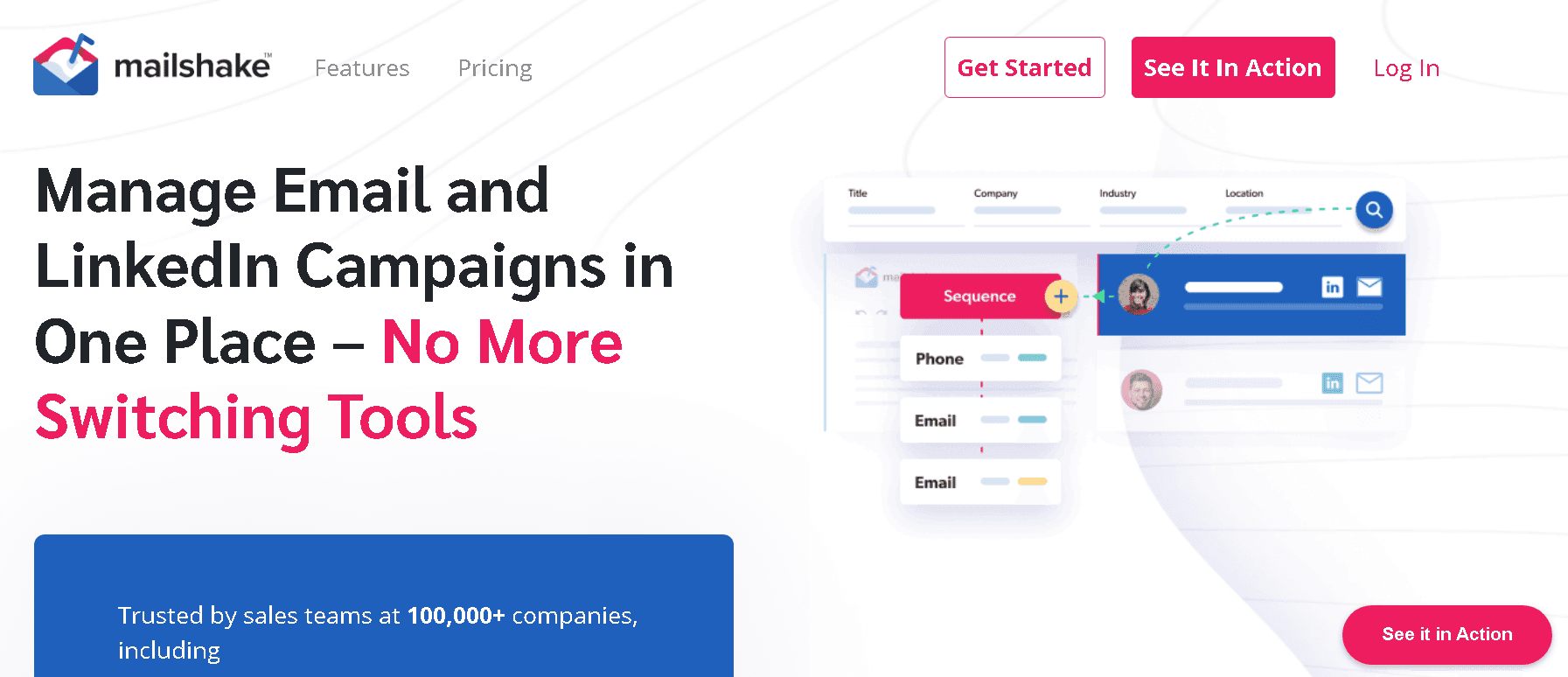
Trusted by sales teams at 100,000+ companies, Mailshake automates cold email campaigns and focuses on landing messages in inboxes instead of spam folders. The platform manages email and LinkedIn outreach from one dashboard.
What Makes Mailshake Stand Out
Deliverability infrastructure separates Mailshake from competitors. The email domain setup assistant configures SPF, DKIM, and DMARC without technical knowledge. Free SMTP warmup builds sender reputation. List cleaning removes addresses that damage deliverability, and the copy analyzer flags spam triggers before sending.
A/B testing runs naturally as you build sequences and shows which versions get more responses. Lead Catcher surfaces your most engaged prospects, while Shakespeare AI generates multiple email copy versions in under a minute. Scroll achieved a 63% open rate and 12% response rate using these tools.
Pricing
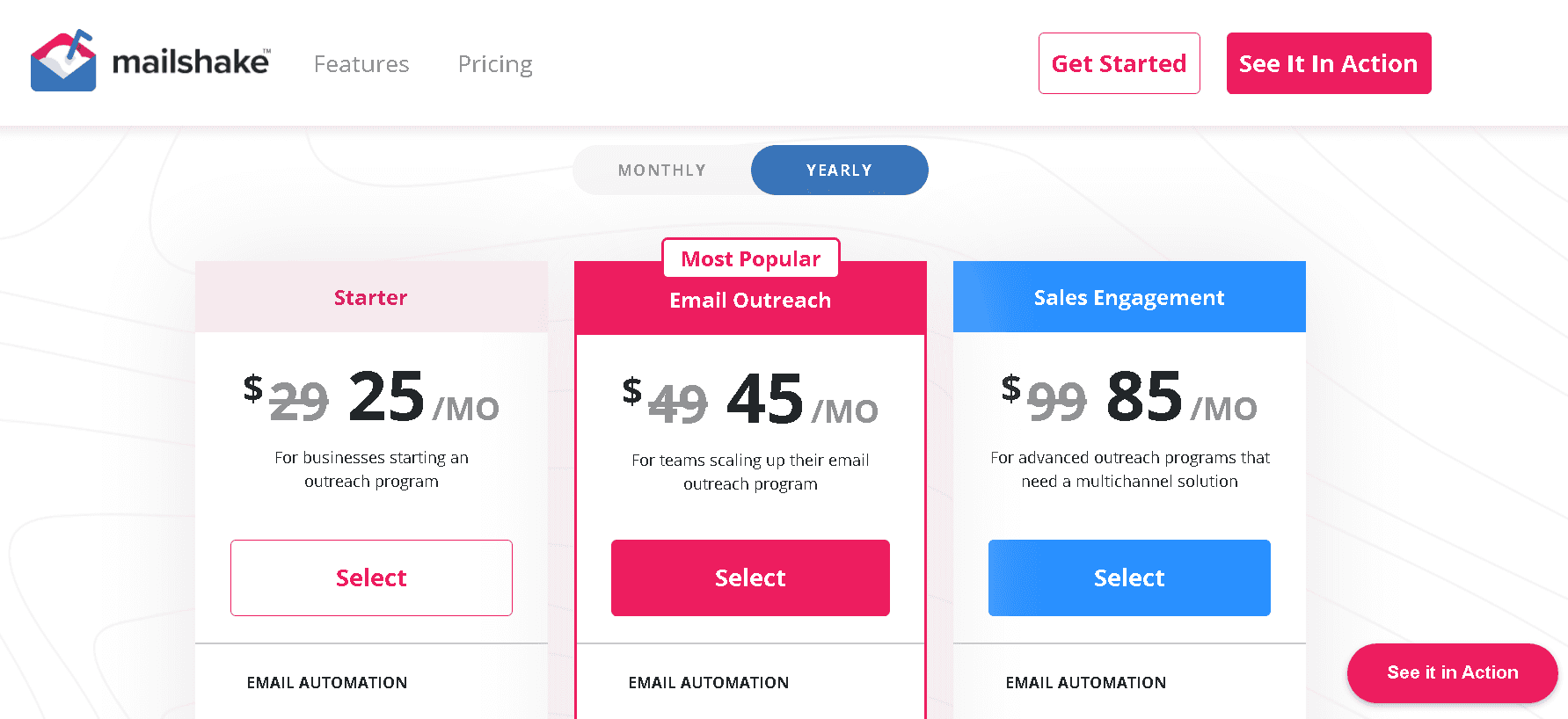
Starter costs $29 monthly with one mail account and 1,500 sends. Email Outreach runs $59 monthly and provides two mail accounts with unlimited sends. Sales Engagement reaches $99 monthly with five mail accounts, LinkedIn automation, and a power dialer. Annual billing applies to all tiers.
Best For
Small sales teams prioritizing email deliverability over complex multi-channel orchestration benefit most. The platform fits reps needing effective cold email tools without enterprise complexity.
Overloop
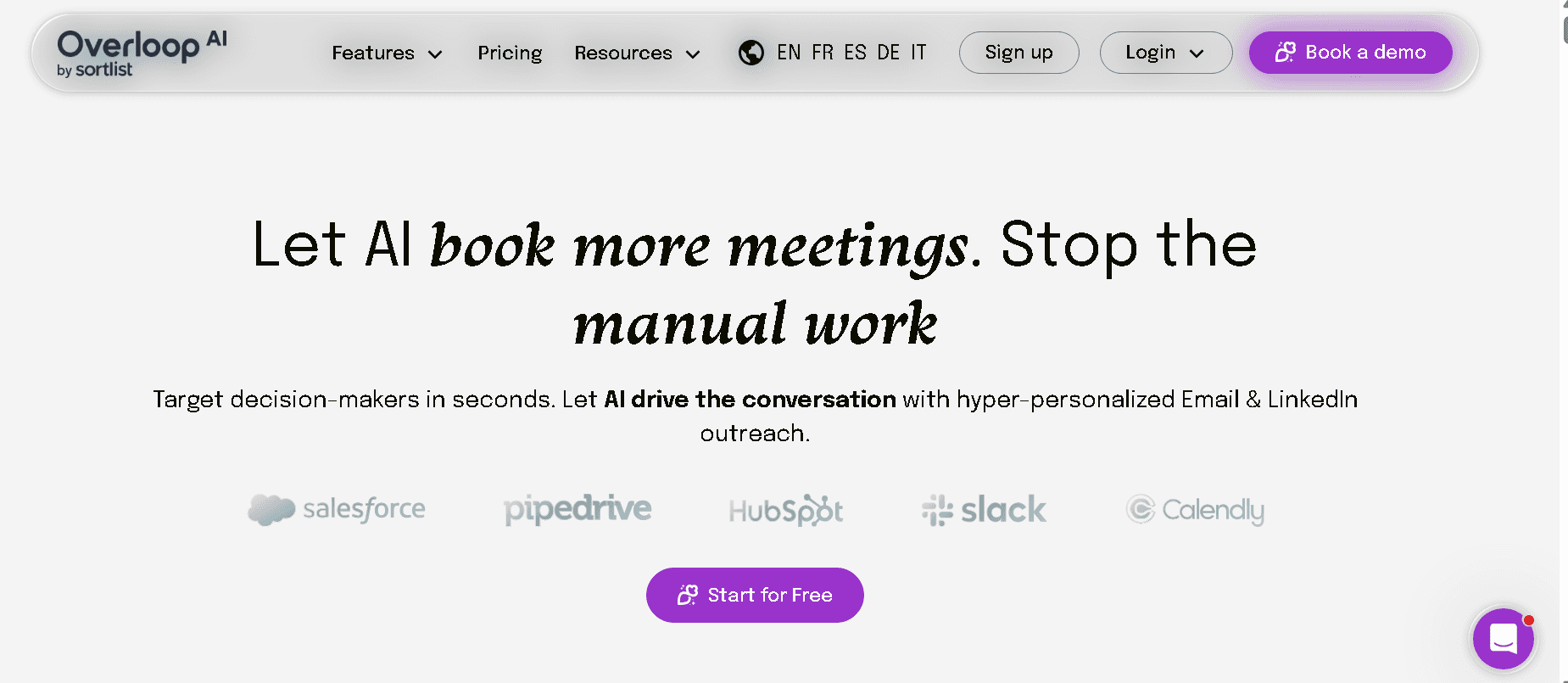
Overloop builds outbound campaigns on a 450M+ verified contact database, then uses AI to write personalized emails. The AI analyzes prospect websites and social profiles in 80+ languages. Formerly Prospect.io, the platform combines lead sourcing and multi-channel sequencing in one workspace.
What Makes Overloop Stand Out
The AI generates personalized outreach without templates or variables. Each message gets written from scratch based on prospect context and your brand voice. Multi-channel campaigns mix email and LinkedIn touchpoints with automated follow-ups. A tech startup achieved a 30% boost in qualified leads within three months using the automated outreach features.
Businesses report an average 25% growth in their sales pipeline. The platform earned a 4.4/5 rating from 132 reviews on G2. Integrations include HubSpot, Pipedrive, and Salesforce on Enterprise plans. Among other features, a Chrome extension lets you enroll prospects from LinkedIn.
Pricing
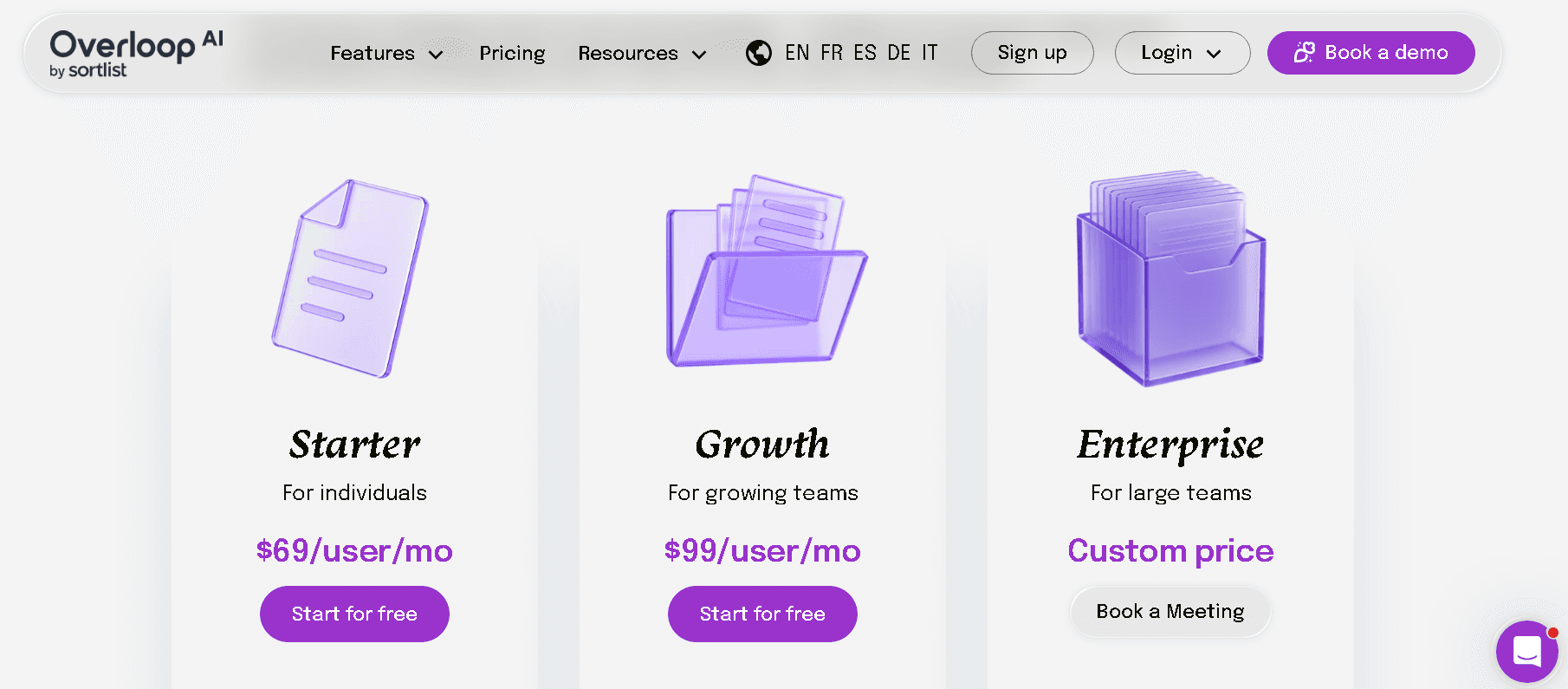
Starter costs $69 per user monthly with 250 credits, one email account, and three campaigns. Growth runs $99 monthly with 500 credits, three email accounts, and ten campaigns. Enterprise provides custom pricing with 1,000 credits, unlimited email accounts, and unlimited campaigns. Credits cover prospect sourcing and email finding at one credit each.
Best For
Solo SDRs and teams of 1-3 reps prioritizing clean UX over raw volume fit the platform. European B2B teams benefit from GDPR compliance and CASA Tier 2 certification.
How to Choose the Best Sales Engagement Platform?
Map your most inefficient workflows first. Which operational processes drain rep time? Which internal teams beyond sales need access? The answers determine whether you need forecasting integrated directly into your engagement layer or can separate those functions.
Native CRM integration matters more than most teams realize. Platforms that sit on top of your CRM rather than syncing to third-party databases eliminate API call limits, data latency and sync errors. This architecture unlocks up-to-the-minute collaboration and accurate reporting. Verify the platform integrates with your existing sales enablement tools and LinkedIn Sales Navigator as well.
AI capabilities now separate viable platforms from obsolete ones. Systems that analyze sales history can suggest next steps and compose customized messages automatically. Machine learning should surface the next best action for every buyer based on engagement patterns and conversation analysis.
Platforms need testing under real conditions. Multiple reps should participate in trials to review workflow fit, call quality and support responsiveness. A platform like Rox demonstrates this approach through its autonomous agents that handle research and outreach based on actual deal patterns.
Total cost includes implementation fees, per-seat charges and overage costs. A higher price that improves connect rates delivers better ROI than cheaper tools requiring manual workarounds.
What Is the Best Tool for Managing Sales Engagements?
No single best sales engagement platform exists. Your use case, team size and outreach strategy determine the right choice. Enterprise sales teams often prefer platforms like Outreach for structured workflows, while teams focused on cold outreach may choose tools optimized for expandable email campaigns.
Mixmax serves revenue teams wanting AI-powered execution without leaving their inbox. Salesloft positions itself as a complete revenue workflow platform for teams seeking an all-in-one solution to manage the entire sales cycle. Outreach functions as a powerhouse built for large, enterprise-level sales teams that use data and analytics to optimize performance at scale.
Teams using HubSpot’s CRM will find Sales Hub the most natural choice with continuous native integration. Apollo.io stands out by combining a massive B2B contact database with sales engagement tools. This makes it ideal for teams whose biggest challenge is finding the right people to contact. ZoomInfo Sales excels when you need both high-quality prospecting data and the means to act on it in one place.
Top-reviewed sales engagement software on G2 has Salesforce Sales Cloud, HubSpot Sales Hub and ZoomInfo Sales.
How Sales Engagement Tools Integrate With Sales Workflows?
Sales engagement platforms establish persistent, bi-directional connections with your CRM. Reps send emails, log calls, or advance sequence steps, and that activity writes back to corresponding CRM contact, lead, or opportunity records. CRM record updates trigger the next sequence step or reassign tasks.
API-based native connectors with Salesforce, HubSpot, Pipedrive and other major CRMs run the integration with minimal configuration. Activity writeback captures emails sent, calls made, meetings booked and sequence steps completed as CRM activities. Field mapping keeps contact and company data consistent between systems. Event-driven triggers enroll contacts into new sequences when deals move to specific stages.
Most platforms stop at prospecting and outreach automation. Only a few extend into conversation intelligence from sales calls, deal insights based on engagement signals and automated CRM updates after meetings. This deeper integration surfaces insights that help teams manage deals better beyond prospecting.
Integration carries real security exposure. The 2025 OAuth token incidents with CRM-connected platforms showed that compromised integration credentials can expose entire CRM instances to unauthorized access. So grant only required permissions and create dedicated integration users rather than named rep accounts.
Conclusion
Choosing among these platforms really comes down to your team size, existing tech stack, and whether you prioritize prospecting volume or deal execution speed. Enterprise teams running Salesforce with dedicated RevOps benefit from AI-powered systems like Rox.
Smaller teams might find better fits with email-focused tools. The 50% productivity gains and 2x revenue improvements documented in these platforms make adoption worthwhile. Start by identifying your biggest operational bottleneck and match it against the key differences in the comparison table. Test two or three finalists with actual reps before committing. Adoption rates matter more than feature lists over time.
FAQ
1. How do I evaluate a sales engagement platform for conversion rather than prospecting?
Evaluate based on conversion metrics like reply rates, meetings booked, and pipeline impact. Prioritize deliverability, multi-channel workflows, AI insights, and CRM integration over basic outreach automation features.
2. Which sales engagement tools are best for mid-market B2B teams?
Salesloft, Apollo, and Outreach are ideal for mid-market B2B teams. They offer scalable automation, strong integrations, analytics, and ease of use, helping teams manage outreach efficiently and drive consistent pipeline growth.
3. What is the most reliable sales engagement platform for outreach?
Outreach is widely considered the most reliable platform due to robust automation, deliverability, and pipeline tracking. Salesloft offers better usability, while Apollo provides affordability with integrated data and outreach capabilities.
4. What are the 3 best sales engagement tools?
The three best sales engagement tools are Rox, Salesloft, and Apollo. Each offers strong automation, analytics, and integrations, catering to enterprise, mid-market, and budget-focused teams with different sales needs.
Similar Articles
We build with the best to make sure we exceed the highest standards and deliver real value.