Sales Intelligence Solutions Explained: Data-Driven Selling Made Simple
Rox Editorial Team

Sales reps spend an average of 43 hours each month just digging through reports and searching for information. That’s more than a full work week lost to manual research instead of selling.
Here’s what makes the difference: high-performing sellers are 4.1x more likely to employ sales intelligence tools to identify opportunities across accounts. Sales intelligence solutions transform raw data into useful insights that help teams focus on high-value opportunities, personalize outreach, and close deals faster.
This piece will explain what sales intelligence platforms are, how they work, and how to choose the best sales intelligence software for your team.
What is Sales Intelligence?
Sales intelligence refers to solutions that provide data, insights, and data management services to optimize sales efficiency and effectiveness. It involves collecting and analyzing information about prospects, customers, competitors, and market conditions to help sales teams identify opportunities, personalize their approach, and close deals more effectively.
The market has evolved substantially. Sales intelligence meant purchasing simple contact lists from third-party providers a few years ago, often with questionable accuracy. The global sales intelligence market reached an estimated $3.50 billion to $4.50 billion by 2024, growing at roughly 11-13% annually.
Companies that used sales intelligence saw win rates of 46% versus 32% for those without it. They also reported a 40% increase in average deal size, with enterprise firms seeing 89% larger deals, increasing from an average of $166,000 to $313,000.
How B2B Sales Intelligence Works?
B2B sales intelligence operates through a three-step process. Tools collect firmographic, technographic, and behavioral data from internal sources like CRMs and external sources such as websites, social media, and news outlets first. This builds the foundation to get current information about target companies and decision-makers.
Advanced algorithms and AI analyze patterns to detect buyer intent and identify key decision-makers following data collection. Research shows that 4 in 5 sales teams are experimenting with or have implemented AI already. 83% of executives anticipate that AI agents will execute actions based on operational metrics and transaction histories autonomously by 2026.
The final step translates data into actionable steps, enabling teams to move from reactive selling to proactive, insight-driven engagement.
Sales Intelligence vs Traditional Selling
Traditional sales methods focused on product pitches and volume-based outreach. Systematic selling strategies involve a structured, data-driven approach that prioritizes relationships and insight.
What are the key Components of Sales Intelligence Solutions?
Sales intelligence platforms combine six distinct data layers to power B2B selling. Each component serves a specific function in helping teams identify, qualify and convert prospects.
Contact and Company Data
Contact data provides the foundation for outreach. This has direct emails, phone numbers, social profiles, job function details, management level, organizational chart mapping, professional certifications and career history. Firmographic data adds company-level context through industry classification, employee count, annual revenue, geographic location, ownership structure and business model.
Sales intelligence platforms collect this information from multiple sources at the same time. Common channels are public web directories, regulatory databases, first-party signals, browser extensions and intent data signals. Research shows that approximately 70% of CRM data is outdated, incomplete or inaccurate.
Platforms address this through a multi-stage verification lifecycle: normalization to standardize formats, identity resolution to match records across sources, email verification through syntax checks and mailbox tests, phone validation for line-type confirmation, and re-verification triggers that detect job changes.
Buyer Intent Signals
Intent data reveals active research behavior that suggests purchase interest. First-party intent captures website visits, content downloads and email engagement from your channels.
Third-party intent combines topic research spikes, review site activity and competitor comparisons from external sources. These signals help teams prioritize accounts showing purchase readiness over those that fit your ideal customer profile.
Sales Activity Tracking
Sales activity tracking captures and analyzes every touchpoint reps make. This has calls, emails, meetings and follow-ups. The software monitors deal stages, pipeline metrics and rep activities in centralized dashboards. Activity data separates what reps do from what closes deals.
Predictive Analytics
Predictive analytics uses historical data, statistical algorithms and machine learning to forecast future outcomes. Leading platforms analyze over 300 buying signals that have customer interactions and deal patterns. The analysis examines pipeline movement speed, buyer engagement levels and conversation topics to predict deal probability.
CRM Integration Capabilities
Native CRM integration remains non-negotiable. 78% of sales professionals think CRM is essential for enhancing sales and marketing. Bi-directional sync keeps records current without manual updates. Platforms should support Salesforce, HubSpot and Microsoft Dynamics connections out of the box.
How Sales Intelligence Platforms Help Your Sales Team?
Sales intelligence platforms deliver measurable improvements across every stage of the sales process. Teams equipped with these tools spend less time on manual research and more time with prospects who are ready to buy.
Identify High-Quality Leads Faster
AI-powered lead qualification reviews hundreds or thousands of leads instantly and reduces lag time while increasing close rates. Companies using AI-powered lead scoring report up to 30% higher conversion rates and more than 50% faster lead response times. The system analyzes behavioral data, demographics, and past interactions to assign scores in real time. S
Sales intelligence platforms like Rox track digital body language across multiple touchpoints and paint a precise picture of purchase intent. Only 27% of leads are actually sales-ready when they first enter your pipeline.
Personalize Outreach at Scale
Personalized emails deliver up to six times higher transaction rates in B2B businesses. Sales intelligence makes it possible for teams to tailor messages based on verified company data, recent trigger events, and buyer behavior patterns. Signal-personalized emails achieve 18% response rates, compared to roughly 4% for generic cold outreach.
The effectiveness stems from stacking multiple personalization layers. Multi-signal outreach achieves 25-40% reply rates versus 1-5% for generic messages. Platforms automate this research process and eliminate the 30-60 minutes required for manual account investigation.
Shorten Sales Cycles
Organizations with strong revenue operations functions see 87% higher sales win rates and 21% shorter sales cycles. Opportunities that close within 50 days demonstrate a 47% win rate, while those stretching beyond 50 days drop to 20% or lower.
Sales intelligence accelerates deals by surfacing key decision-makers and potential objections in advance. This eliminates unnecessary back-and-forth communication and reduces lengthy research processes.
Improve Win Rates
Evidence-based sales approaches lead to higher conversion rates and increased revenue. Modern B2B sales teams that combine data analysis with relationship-building achieve stronger performance.
Enable Evidence-Based Decisions
Predictive tools use machine learning to rank leads, forecast revenue, and identify at-risk opportunities. Sales analytics allows teams to track customer behavior and predict everything from future budgets to product success. Teams can forecast with accuracy when they work from reliable datasets rather than personal intuition.
What are the different types of Sales Intelligence Tools?
The sales intelligence market segments into five distinct categories based on workflow focus and execution capabilities. Each type solves specific problems for different roles within revenue teams.
Lead Intelligence Platforms
Lead intelligence software provides data and information about leads. Sales and marketing can attract, qualify, and nurture prospects with this data. Cognism serves 3,000+ companies with lead intelligence data across industries including SaaS, logistics, and finance. The platform offers Diamond Verified phone numbers, especially useful for European markets.
Sales Intelligence and Engagement Platforms
Apollo combines contact databases with engagement tools. Teams can prospect and execute outreach from a single interface. Sales engagement platforms automate multi-channel outreach across email, phone, and social media. Salesloft uses buyer signals to help sellers act first on activities that matter most and offers AI-powered tools for coaching and playbooks.
Revenue Intelligence Solutions
Revenue intelligence software employs data and AI to manage, optimize, and report on opportunities throughout the sales pipeline. Clari captures data from existing tools and reveals information with its proprietary AI engine, RevAI. Gong records, transcribes, and analyzes sales calls and meetings.
Account-Based Sales Intelligence
Account-based marketing platforms allow B2B teams to run ABM programs at scale, including account discovery, planning, engagement and reporting. 6sense combines intent data and behavioral information with predictive analytics to help sales and marketing focus their efforts.
Sales Enablement Tools with Intelligence Features
Seismic excels in personalization for large enterprises with diverse product lines. SalesHood guides with AI-driven coaching, content activation, and effect information. Companies investing in AI-enabled sales often see up to 15% revenue uplift and 20% sales ROI improvement.
What Are the 3 Best Sales Intelligence Tools?
Rox
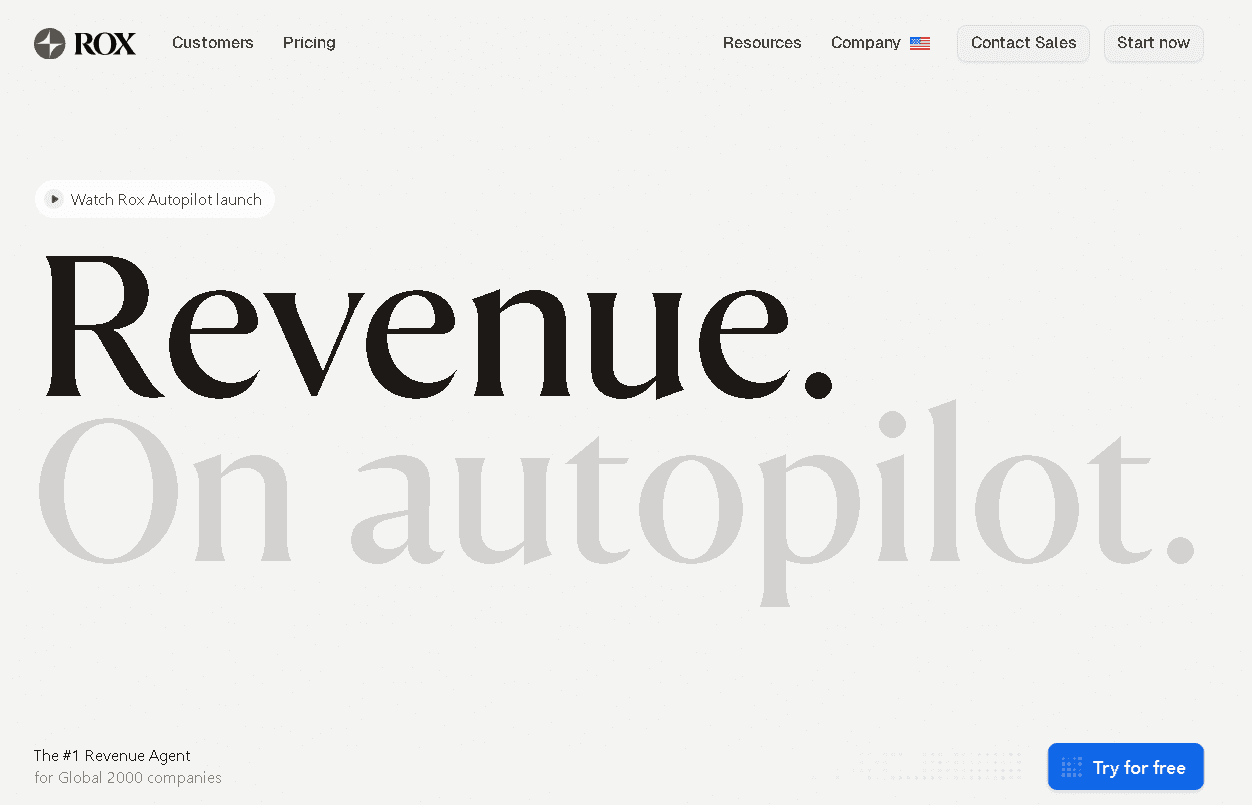
Rox uses AI agents to accelerate the sales cycle. The platform integrates with your existing tech stack to centralize and enrich your account data with helpful insights.
Rox also helps with lead generation by monitoring the web for relevant buyer signals and notifying you of opportunities in real time. When you’re ready to connect with leads, Rox’s AI agents help you draft personalized outreach and follow-up messages.
AI agents learn about your business model and your goals, so you get intelligence that’s relevant to your operations. As sales reps identify leads and prepare for meetings, Rox provides contextual information for stronger, more effective pitches.
UserGems
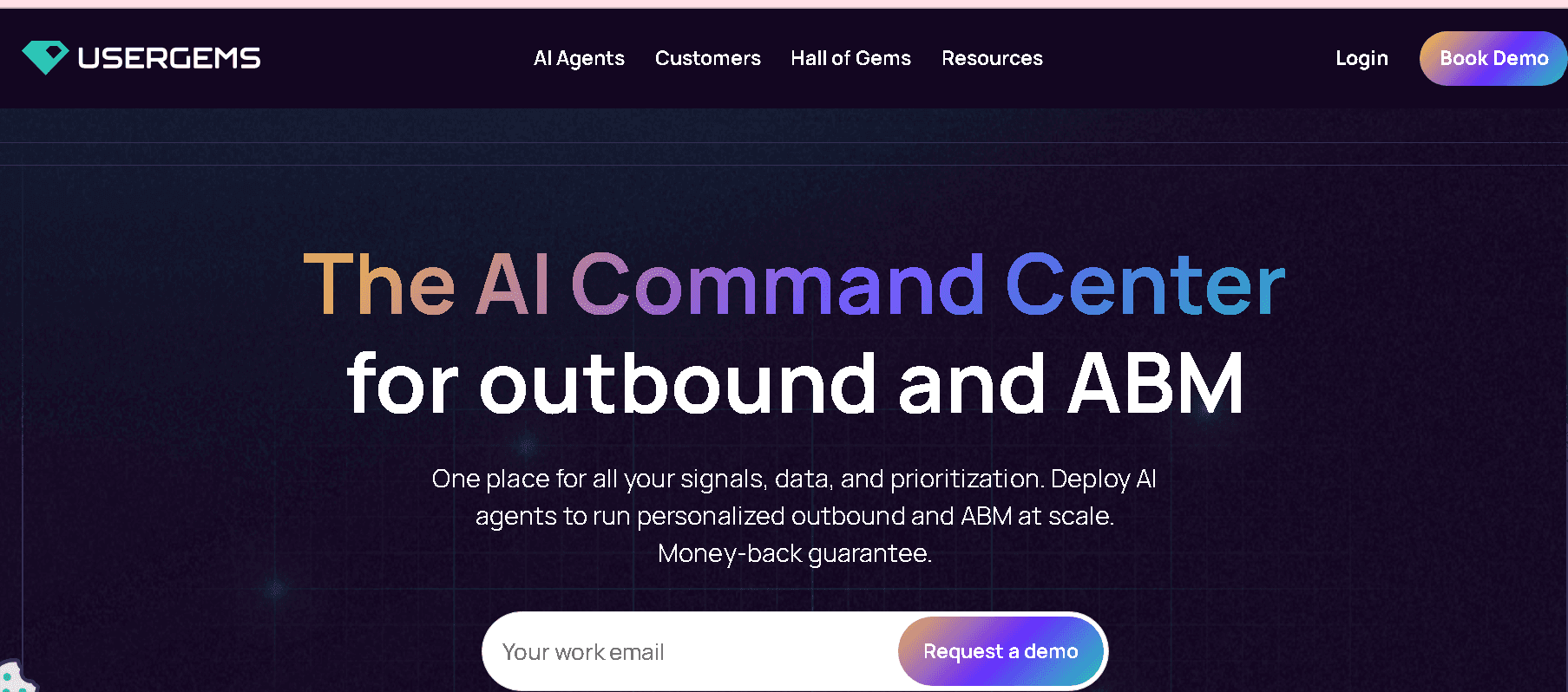
UserGems is a sales intelligence tool that uses AI to manage outbound leads. It helps you fill your sales pipeline with contact management, lead scoring, and automated messaging. The platform also helps you track buyer signals for tailored, timely outreach. It’s effective for lead sourcing, but doesn’t offer support for the rest of the sales cycle.
HubSpot Sales Hub
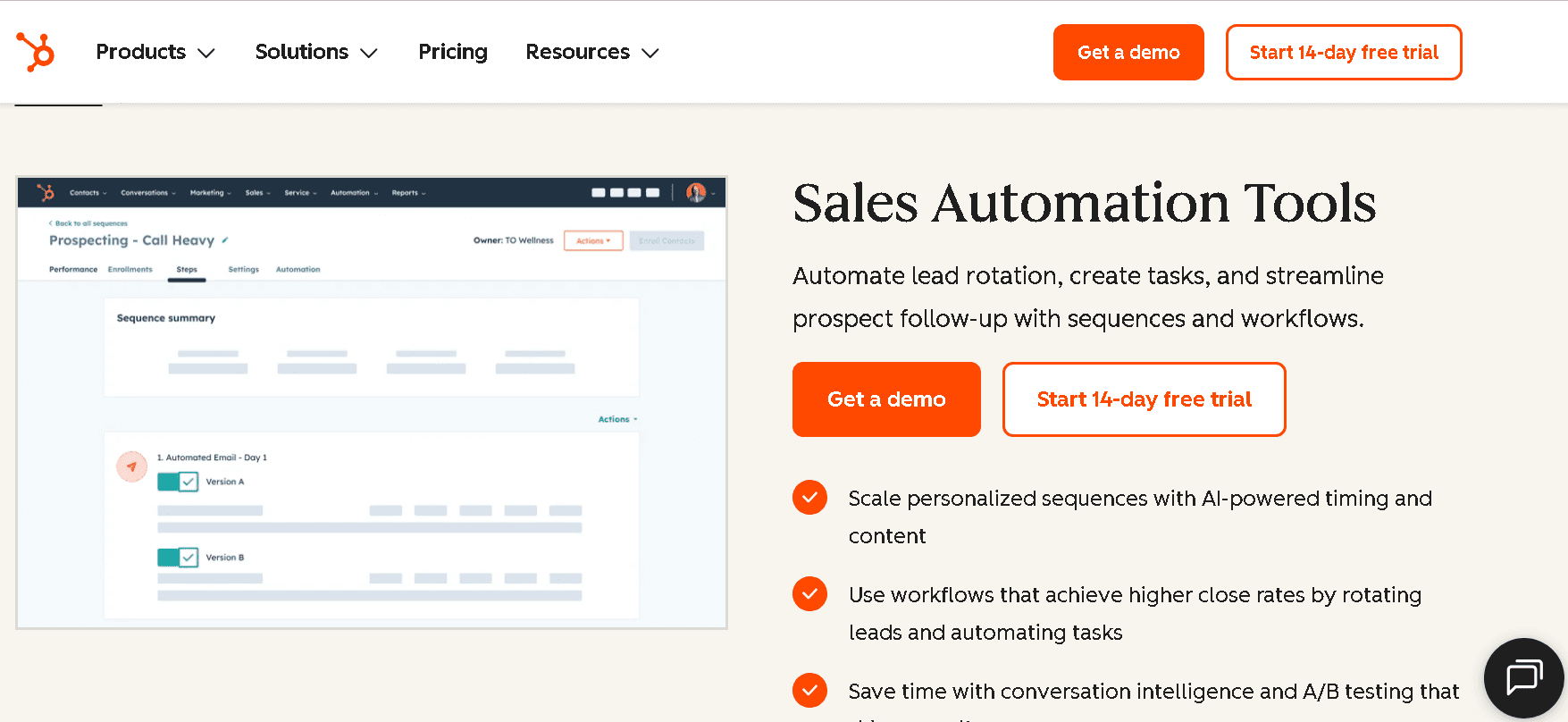
Sales Hub is a comprehensive sales tool that integrates with the broader HubSpot system, making it convenient for existing users. Sales Hub uses AI to help you find and research leads, send automated email sequences, and prepare for meetings. It’s helpful for tracking your entire sales cycle, but the intelligence provided isn’t as comprehensive as some other platforms.
How to Choose the Best Sales Intelligence Software?
Evaluating sales intelligence software requires skipping feature matrices and focusing on capabilities that predict whether reps will adopt the tool. Data coverage and freshness matter most, but generic accuracy claims are meaningless. A platform might report 95% accuracy across its full database but deliver 60% accuracy in your specific vertical or geography.
Signal monitoring separates strong platforms from weak ones. The question is not whether the tool monitors signals but which signals and how fast. Leadership changes, funding rounds, job postings, and product launches should surface without manual work. Alerts should be relevant to your accounts rather than a firehose of noise that reps ignore after week two.
Research automation saves real time. A rep preparing for a discovery call spends 30 to 60 minutes across multiple sources. Platforms like Rox automate this process and surface insights reps would never find manually. Reps will not use intelligence that does not live where they work.
What technologies used to gather sales intelligence?
Sales intelligence platforms are the foundations of artificial intelligence and machine learning. These tools analyze big datasets, reveal hidden trends, and predict customer behaviors. AI processes live data to identify key stakeholders and optimal opportunities to involve customers. Machine learning gets into past sales data, market trends and behavioral patterns to score leads and forecast revenue with precision.
Web scraping automates the extraction of publicly available contact and business information from websites to build targeted prospect lists. Software programs pull names, phone numbers, emails and company details in seconds rather than copying manually. AI-powered web scraping tools gather data and analyze it to identify high-intent prospects and predict future buying behavior.
APIs function as connective tissue across sales tech stacks. Data flows between CRMs, engagement platforms and intelligence tools while every system stays current. Robotic process automation handles rule-based tasks like updating CRM fields or routing leads. Combined with AI, it makes sophisticated automation possible.
Conversation intelligence tools use AI for call recording, transcription and analysis of sales calls and meetings. These platforms transcribe conversations and analyze engagement patterns to interpret tone, keyword usage and interaction flow.
Conclusion
Right now, you have everything you need to transform your sales process from guesswork into data-driven precision. Sales intelligence platforms aren’t nice-to-have tools anymore. They’re essential to stay competitive in modern B2B selling.
The teams that win deals consistently act on immediate insights, personalize outreach at scale and focus energy where it matters most. Platforms like Rox automate the heavy lifting and surface useful intelligence that reps would never find manually.
The difference between hitting quota and missing it often comes down to working smarter with better data. Start evaluating platforms based on accuracy in your specific market, and your win rates will follow so.
FAQ
Where to gather sales intelligence?
Sales intelligence data comes from multiple complementary sources. Public information sources include company websites, annual reports, SEC filings, press releases, and social media platforms like LinkedIn. Paid database services provide complete, structured information with advanced search capabilities. Tracking and analytics tools identify website visitors and capture lead behavior across touchpoints.
What are the Benefits of sales intelligence?
Sales intelligence delivers better lead qualification and allows teams to focus on prospects most likely to convert. Evidence-based preparation and compelling pitches result in higher conversion rates. Personalization increases response rates through relevant messaging tailored to prospect challenges. Teams close more deals in shorter timeframes, which increases revenue and productivity.
What are the 4 levels of sales intelligence?
The four levels are Innate Intelligence (IQ), Acquired Intelligence (AQ), Technological Intelligence (TQ), and Emotional Intelligence (EQ). IQ represents cognitive ability fixed in your DNA. AQ includes knowledge gained through training and experience, making IQ relevant. TQ reflects knowing how to interact with and utilize technology naturally.
Similar Articles
We build with the best to make sure we exceed the highest standards and deliver real value.